

Why Seasonal Eating Makes Sense in 2026
Eating seasonally isn’t just a trendy idea it’s a practical one. When food travels a shorter distance from farm to plate, there’s less time for nutrients to degrade. That means more vitamins and minerals in every bite, and a better chance your produce actually tastes like it should. No need for waxy coatings or long haul preservatives when your spinach was picked three days ago from just across town.
Seasonal produce also packs more flavor. It grows in sync with natural rhythms, in the environment it evolved for. A strawberry plucked in early June will always beat one pulled from cold storage in October. You get real ripeness, not guesswork.
And it’s not just about your health. Eating what’s in season also lightens your impact. Crops that grow locally in their proper window need less energy, less transit, and fewer chemical inputs. That translates to a smaller carbon footprint and a direct boost to local farming economies that aren’t built for mass export. In 2026, the smarter plate is fresher, cleaner, and a lot closer to home.
Spring Selections: Clean Greens & Fresh Starts
Spring is the season your body craves clean fuel and the produce aisle delivers. Asparagus, spinach, strawberries, and spring onions hit peak ripeness now. These aren’t trendy ingredients; they’re nutritional workhorses.
Asparagus is rich in folate, a B vitamin that supports cell repair and detox processes. Spinach packs vitamin C and chlorophyll, great for your skin and blood. Strawberries bring antioxidants and another dose of C, while spring onions offer a light hit of sulfur compounds that aid digestion without the harshness of garlic.
The trick is to keep prep simple. Steam asparagus until just tender overcooked means lost nutrients. Eat spinach raw or lightly wilted. Rinse strawberries, skip the sugar. And spring onions? Slice thin and toss them over pretty much anything. The less heat, the more you preserve their nutrient profile.
Spring isn’t about cleansing by deprivation. It’s about feeding your system what it naturally needs to reset. These ingredients help you do that with zero complexity.
Summer Fuel: Colorful and Antioxidant Rich
Summer produce is nature’s hydration plan wrapped in color. Tomatoes, blueberries, cucumbers, and bell peppers aren’t just pretty they’re packed with water, vitamins, and heat fighting antioxidants that keep your energy steady when the temperatures spike.
Tomatoes come loaded with lycopene, a powerful antioxidant linked to heart health and skin protection. For ultimate absorption, pair them with a little healthy fat think olive oil or avocado. Blueberries deliver anthocyanins, known to support brain function and reduce inflammation. Bell peppers, especially the red ones, are vitamin C overachievers and add crunch without weighing you down.
Cucumbers? They’re mostly water with a bonus dose of silica and potassium. Throw them in a pitcher of water with mint and lemon for a hydration boost that beats store bought drinks.
The play here isn’t exotic it’s practical. Eat them raw, grill them lightly, toss them into salads or cold soups. The goal isn’t complexity; it’s consistency. Fill your fridge with color, and your body will thank you all season long.
Fall Staples: Grounding Foods for Immune Support
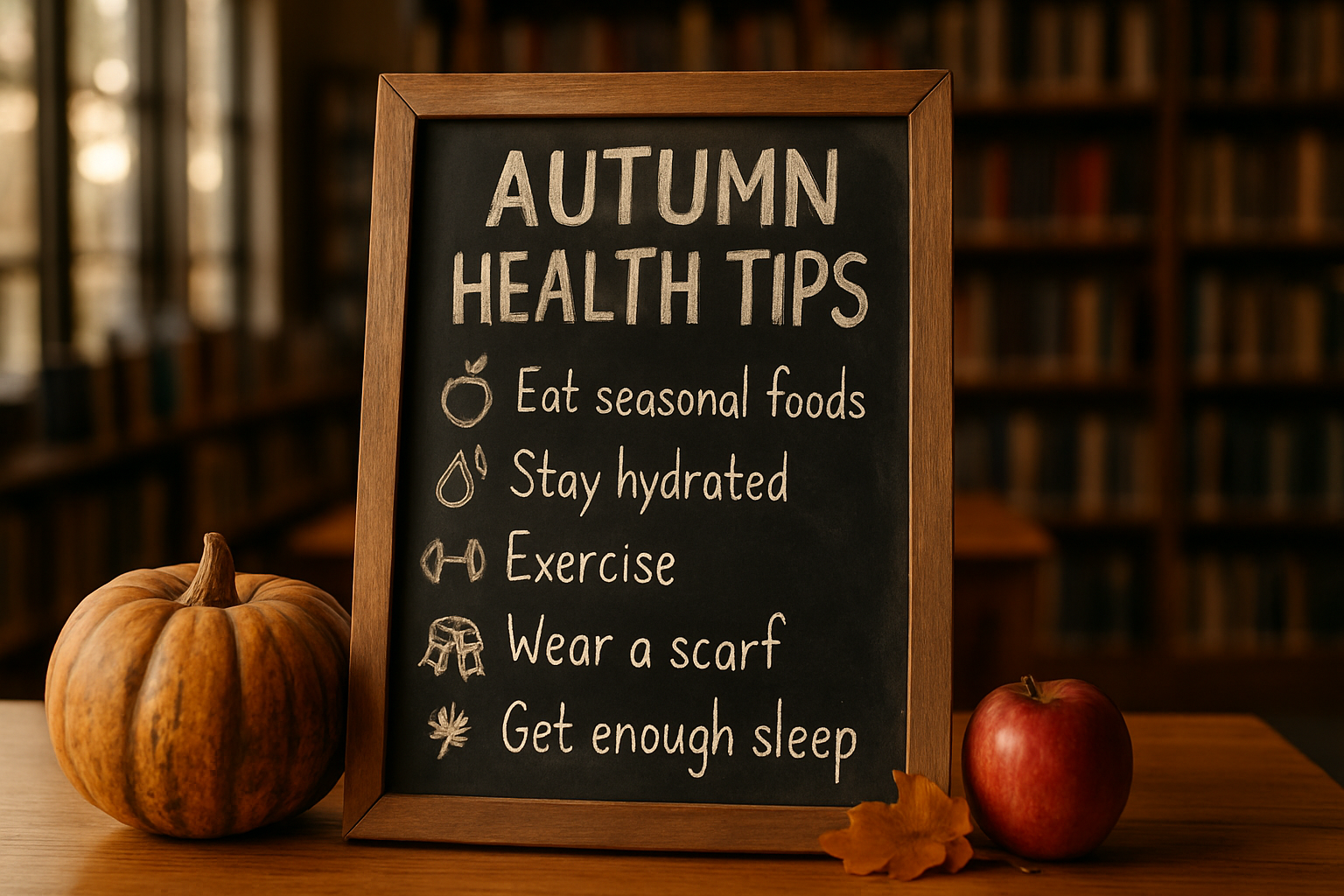
Fall is the season for settling down, and the harvest matches the mood. Squash, apples, beets, and Brussels sprouts lead the charge hearty, earthy, and full of the good stuff. These aren’t just comfort foods they pack serious nutrients that your body needs when temperatures start to dip.
Squash and beets bring beta carotene and vitamin A into the mix, supporting vision, skin health, and, importantly, your immune system. Fiber? All four of these standouts are loaded. That means better digestion and a stronger gut your first line of defense when cold season hits. Apples give a sweet fiber boost with pectin, while Brussels sprouts offer a double dose of vitamins and antioxidants in every crisp bite.
You don’t need to overthink it. Roast them, stew them, or slice them raw into salads. The goal here is clean, nutrient dense eating that aligns with what your body naturally craves in colder weather. Immune support doesn’t need to come from a pill bottle just shop what the season already gives you.
Winter Harvest: Storage Crops with Long Lasting Nutrition
Winter doesn’t mean sacrificing freshness and nutrition. While the landscape may look bare, some of the most powerful produce thrives in colder months. These hardy crops are nutrient dense, store well, and can help fuel your body through the cold season.
Top Cold Season Picks
Make room in your meals for these winter essentials:
Carrots Rich in beta carotene, supports eye health and immune function
Kale Loaded with antioxidants, calcium, iron, and vitamin K
Citrus fruits (like oranges, grapefruits, and lemons) Excellent sources of vitamin C to boost immunity
Sweet potatoes Provide slow digesting carbs, fiber, and vitamin A for lasting energy and warmth
Why These Nutrients Matter Most in Winter
As days grow shorter and colder, your body craves sustained energy and enhanced immune protection.
Slow digesting carbohydrates from root vegetables help maintain balanced energy throughout the day
Vitamin C bolsters your body’s defenses against seasonal colds
Beta carotene and vitamin A help keep skin and mucus membranes strong and functional
Smart Winter Cooking Tips
To get the most out of your winter produce:
Roast or steam instead of boiling to preserve nutrients
Use soups and stews to combine multiple veggies while keeping their nutritional benefits intact
Add a touch of healthy fat (like olive oil) to enhance absorption of fat soluble vitamins
Winter harvests may be humble, but they’re loaded with long lasting benefits when prepared with care.
How Seasonal Eating Supports Smarter Nutrition
Seasonal eating isn’t just about picking what’s fresh it’s also a smart way to improve your long term health. By rotating your food choices throughout the year, you’re naturally introducing diversity, reducing overconsumption of processed items, and aligning better with your body’s innate rhythms.
Why Variety Matters
Incorporating a wide range of produce throughout the year is one of the easiest ways to ensure nutritional balance.
Different seasons offer different vitamins, minerals, and antioxidants
Rotating your diet promotes gut health by supporting diverse microbiota
Helps prevent nutrient fatigue from eating the same foods year round
Cutting Back on Processed Foods
When you eat what’s in season, you’re more likely to choose fresh, whole foods and less likely to reach for packaged items.
Seasonal foods require less preservation and fewer additives
Farmers markets and CSAs encourage whole food habits over packaged convenience
Reducing highly processed foods is linked to lower inflammation and more stable energy levels
Eating with the Seasons = Living in Sync
Your body’s needs shift throughout the year. Seasonal eating helps match your nutrition to those changes naturally.
Lighter foods in spring and summer support cleansing and hydration
Heartier produce in fall and winter builds warmth and immune defense
Eating in tune with nature may improve digestion and metabolic health
See also: 10 Nutrition Hacks to Improve Your Diet Without Counting Calories
Pro Tip: How to Shop Seasonally Without the Confusion
Eating seasonally doesn’t have to be overwhelming. With a few practical habits, it becomes a sustainable and rewarding part of daily life. Here’s how to make it easier and more intuitive:
Know Your Local Growing Season
Understanding what’s in season in your region is the first step. Timing varies based on geographic location and climate, so being aware of your local harvest patterns is key.
Use regional produce calendars. Many local agriculture agencies and farmer’s markets publish monthly lists of in season fruits and vegetables.
Talk to local farmers. Direct insights can help you discover what’s freshest and what’s coming next.
Observe grocery signage. Labels like “local” or “in season” often point to fresher options.
Make Smart Grocery Swaps
Can’t find something in season? Make educated swaps to stay aligned with your seasonal eating goals while still getting what your recipe needs.
Substitute based on flavor and texture. For example, swap peaches for nectarines in summer or use kale in place of spinach in early spring.
Focus on what’s plentiful. Farmers often discount produce that’s in peak season due to its abundance this is both cost effective and nutritious.
Keep versatile staples on hand. Items like root vegetables or leafy greens can often sub in for a wide variety of dishes.
Preserve the Season’s Best
When you absolutely love specific seasonal foods, extend their shelf life with simple preservation methods.
Freeze: Berries, greens, and soups made from seasonal produce freeze well for future use.
Ferment: Cabbages, carrots, and other firm veggies can be easily turned into gut friendly ferments.
Can or pickle: Tomatoes, peaches, and cucumbers are ideal for canning or pickling locking in flavor and nutrition long after harvest ends.
By incorporating these techniques, you’ll better align with the rhythm of the seasons and reduce reliance on imported or highly processed foods year round.
 Evelyna Fenskerton has opinions about wellness and lifestyle insights. Informed ones, backed by real experience — but opinions nonetheless, and they doesn't try to disguise them as neutral observation. They thinks a lot of what gets written about Wellness and Lifestyle Insights, Expert Nutritional Guidance, Dietary Supplements Review is either too cautious to be useful or too confident to be credible, and they's work tends to sit deliberately in the space between those two failure modes.