
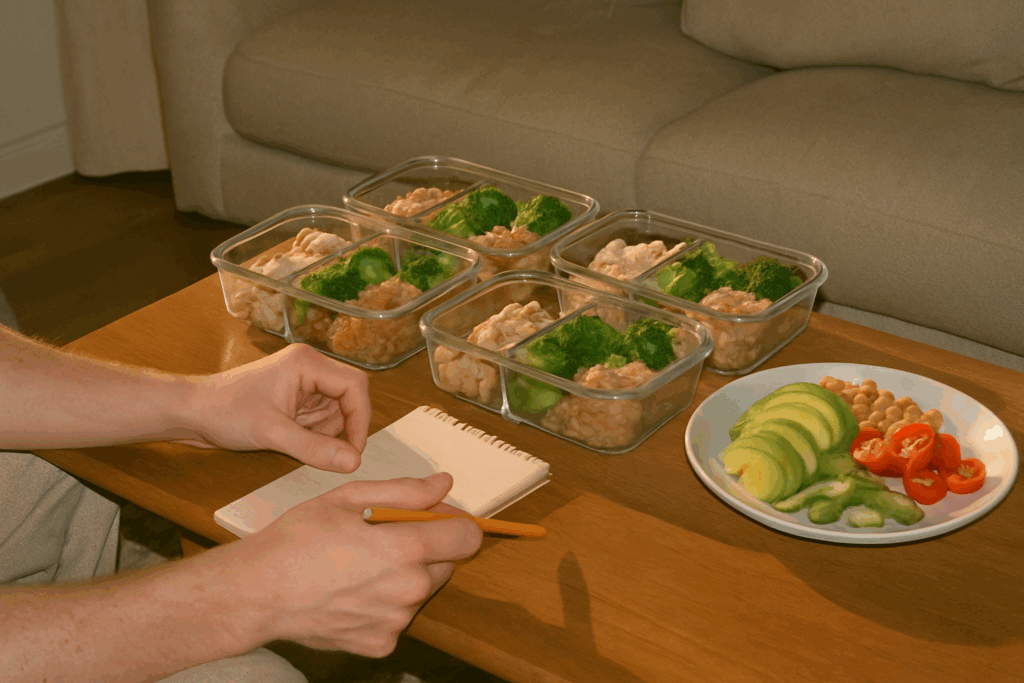
Why Meal Prep Matters in 2026
Meal prep isn’t just a trend it’s become a must have strategy for anyone looking to take control of their health, time, and budget. In 2026, more people are realizing that consistent planning pays off.
Planning = Better Nutrition
When you prep your meals in advance, you’re more likely to:
Choose whole, nutrient rich ingredients
Avoid last minute fast food or unhealthy takeout options
Stay on track with dietary goals whether it’s weight loss, better digestion, or energy balance
Planning gives you full control over what goes into your meals. That means fewer processed foods and more intentional choices.
Save Money, Reduce Waste
With grocery prices climbing in 2026, meal prep helps cut costs by minimizing impulse buys and food waste. Buying in bulk and using everything you purchase throughout the week means:
Fewer trips to the store
Less spoiled produce or expired items
Smarter spending through batch cooking and planned leftovers
Meal prep also makes it easier to shop sales, plan around discounts, and stick to a grocery budget.
Prepping = Less Stress on Busy Days
One of the biggest barriers to healthy eating is time. With work, family, and social commitments, cooking every night often feels impossible. Meal prep solves that by:
Giving you ready to eat or heat and eat meals midweek
Reducing decision fatigue at mealtime
Helping you stay consistent, even when life gets hectic
Healthy eating becomes realistic not just idealistic when your meals are already planned and prepped.
Step 1: Set Weekly Goals
Before you chop a single vegetable, get clear on why you’re meal prepping. Are you trying to lose weight? Stay sharp during long workdays? Avoid the 6pm takeout spiral? Your reason sets the tone for everything from what you cook to how much effort you’re putting in.
If you’re prioritizing weight loss, aim for lower calorie, high volume meals that keep you full: think veggie heavy stir fries, lean proteins, and fiber rich sides. For mental clarity and long energy, balance slow digesting carbs with healthy fats and moderate protein. If convenience is king, focus on dishes that reheat well and take under 20 minutes to prep.
Next: how many meals are you actually committing to? Most people start strong and crash by Thursday. Be honest. Prepping for 3 5 days is realistic for most. That could mean just lunches, or dinner for the workweek. Don’t go overboard unless you already know you thrive on seven identical meals.
To stay consistent, plug your plan into a simple template. One option:
| Day | Meal | What You’re Making |
| | | |
| Monday | Lunch | Chicken quinoa bowl |
| Tuesday | Dinner | Veggie stir fry with tofu |
| Wednesday| Lunch | Turkey wrap with hummus |
| Thursday | Dinner | Lentil curry + brown rice |
| Friday | Lunch | Leftovers / Mix + Match |
You can also color code meals by macro mix (e.g., high protein, low carb), or batch meals with similar ingredients (i.e. roast all your veggies on Sunday). Planning doesn’t have to be fancy. It just has to make sense for your week and your why.
Step 2: Build a Solid Grocery Strategy
Buying groceries with purpose is where meal prep starts to save time and money. Batch buying is the smart move focus on versatile produce, reliable proteins, and pantry essentials that stretch across several meals. Think carrots, onions, and greens that work raw or roasted. Go for bulk chicken thighs, tofu, or canned beans. Pantry wise, oats, rice, and lentils are your backbone cheap, filling, and hard to mess up.
Label checking matters, especially when it comes to sauces, snacks, and anything processed. Hidden sugars show up under names like maltodextrin or cane syrup. Cheap oils like hydrogenated soybean or palm sneak into everything from salad dressings to granola bars. If you can’t pronounce it, you probably don’t need it.
High quality groceries don’t have to blow your budget. Peak season produce is cheaper and tastes better. Store brands often carry the same quality as the flashy labels. And don’t sleep on frozen goods they’re picked at peak and last longer. Build your weekly meals around what’s on sale or in bulk, not the other way around. Planning like this means fewer impulse buys and way less waste at week’s end.
Step 3: Prep Like a Pro

You don’t need a chef’s kitchen to meal prep like one. With a few basics most under $30 you can knock out a week’s worth of food without blowing your budget. Start with a solid cutting board, a sharp chef’s knife, and a set of reusable glass containers (plastic warps, wears, and leaks odors). A basic food scale helps with portioning, especially if you’re tracking macros or calories. Toss in a digital timer and a silicone baking mat, and you’ve got a reliable setup for repeat weeks.
As for cooking methods, think scale. Sheet pan meals are a go to: roast proteins and veggies in bulk with minimal fuss. Slow cookers are gold for stews, curries, and shredded meats that stretch across days. And don’t overlook the power of grains in bulk brown rice, quinoa, lentils. They hold up well and can flex into different cuisines throughout the week.
Storage is where many people slip up. Let food cool first, then portion it into airtight containers. Store meals you’ll eat in the next 3 4 days in the fridge. Freeze the rest. Best freezer allies: soups, sauces, cooked grains, and proteins like ground turkey or pulled chicken. Avoid freezing raw veggies with high water content (they go soggy) and anything creamy it tends to separate when thawed.
Stick to the essentials, use batch friendly methods, and store smart. That’s the difference between a solid prep routine and Sunday night stress.
Step 4: Keep It Interesting
Prepping the same chicken and rice combo every week? That’s the fastest route to takeout temptation. The trick is learning how to remix with minimal extra work. Start by picking a few base ingredients that cook well in bulk (like lentils, roasted veggies, or grilled chicken), and change up the flavor profiles. One day it’s smoky chipotle bowls, another it’s lemon herb wraps. Same base, different vibe.
To keep things fresh, rotate your menus every 1 2 weeks. You don’t need a full overhaul just adjust sauces, starches, or spice rubs. This keeps your taste buds awake without doubling your shopping list.
Theme days help too. Not just cute names real structure. Try Mediterranean Mondays (olives, hummus, grilled fish), Stir fry Saturdays (quick sauté with whatever’s left in the fridge), or Taco Tuesday with a different protein each week. You eat better when you don’t dread the routine.
Feel boxed in by dietary limits? Explore variety with gluten free meal plans that actually taste amazing. Flavor doesn’t have to get lost just because you’re playing by a new set of rules.
Step 5: Stick With It
Building a real meal prep habit doesn’t need to take months. Two weeks of consistent effort is usually enough to turn it into part of your routine. Start small maybe just lunches, or prepping three dinners to cover your busy nights. Set a timer and give yourself 90 minutes on Sunday (or whatever day works). Use that window to prep just enough food to get ahead, not overhaul your life.
Expect curveballs. Travel, late work meetings, sick kids they’ll happen. The key is not to aim for perfection, but to build a fallback. Keep a few frozen options you’ve made (soups, stews, cooked grains) and lean on those rather than defaulting to takeout. Learn to pivot, not quit.
Track the quiet wins. You’re not just saving time you’re probably noticing better mood, less food anxiety, steadier energy. Maybe your grocery spending dropped. Maybe you’re not skipping meals anymore. Those are milestones too. Paying attention to these subtle shifts helps the habit stick longer than any number on the scale.
Pro Tips from 2026 Nutritionists
Popular Prep Hacks
AI is changing meal prep in the best way possible. With smart tools that generate grocery lists from your favorite recipes or diet plans, you can skip the guesswork and dodge the midweek store run. Apps like Whisk, Forks Over Knives, and even ChatGPT plug ins now help you plan complete meals based on macro goals, dietary restrictions, or budget constraints all in seconds.
Prebiotic Rich Swaps and Gut Friendly Foods
Gut health is a major theme going into 2026. Instead of just focusing on protein and calories, nutritionists suggest adding more prebiotic rich foods into your weekly prep. Think garlic, onions, leeks, bananas (slightly green), oats, and black beans. Fermented additions like kimchi or miso are smart too they store well and pack a punch. These foods don’t just feed you they feed the good bacteria that keep everything running right underneath the surface.
What Not to Prep Ahead
Some foods just don’t age well. Salads with delicate greens wilt and turn soggy after a day, even if dressed separately. Chopped fruit loses nutrients and texture fast berries and melons are best eaten fresh. Anything fried tends to go limp in the fridge, and avocado oxidizes fast unless it’s vacuum sealed. Know what holds and what folds so you’re not wasting time or food.
Smart prep isn’t just about stacking food in containers. It’s about reading your week, supporting your body, and using every tool available to make nutrition frictionless.
Bottom Line
Meal prep isn’t flashy, and it isn’t new but it works. In 2026, with life moving faster and costs rising, it’s less of a wellness trend and more of a survival strategy. Prepping ahead means fewer skipped meals, less takeout, and better decisions when you’re tired or crunched for time. It’s not about perfection it’s about stacking small wins across the week.
Start small. Prep two lunches this week. Or chop veggies for dinner in advance. See what sticks. The key is staying flexible and building a repeatable system around your real life not someone else’s Pinterest routine. The best meal plan is the one you’ll stick to.
Over time, the rhythm becomes second nature. You feel better, you spend less, and the what’s for dinner stress fades. That’s not a passing phase that’s long term health in action.
 There is a specific skill involved in explaining something clearly — one that is completely separate from actually knowing the subject. Kylor Xenvale has both. They has spent years working with expert nutritional guidance in a hands-on capacity, and an equal amount of time figuring out how to translate that experience into writing that people with different backgrounds can actually absorb and use.
Kylor tends to approach complex subjects — Expert Nutritional Guidance, Wellness and Lifestyle Insights, Nutrition Tips and Advice being good examples — by starting with what the reader already knows, then building outward from there rather than dropping them in the deep end. It sounds like a small thing. In practice it makes a significant difference in whether someone finishes the article or abandons it halfway through. They is also good at knowing when to stop — a surprisingly underrated skill. Some writers bury useful information under so many caveats and qualifications that the point disappears. Kylor knows where the point is and gets there without too many detours.
The practical effect of all this is that people who read Kylor's work tend to come away actually capable of doing something with it. Not just vaguely informed — actually capable. For a writer working in expert nutritional guidance, that is probably the best possible outcome, and it's the standard Kylor holds they's own work to.
There is a specific skill involved in explaining something clearly — one that is completely separate from actually knowing the subject. Kylor Xenvale has both. They has spent years working with expert nutritional guidance in a hands-on capacity, and an equal amount of time figuring out how to translate that experience into writing that people with different backgrounds can actually absorb and use.
Kylor tends to approach complex subjects — Expert Nutritional Guidance, Wellness and Lifestyle Insights, Nutrition Tips and Advice being good examples — by starting with what the reader already knows, then building outward from there rather than dropping them in the deep end. It sounds like a small thing. In practice it makes a significant difference in whether someone finishes the article or abandons it halfway through. They is also good at knowing when to stop — a surprisingly underrated skill. Some writers bury useful information under so many caveats and qualifications that the point disappears. Kylor knows where the point is and gets there without too many detours.
The practical effect of all this is that people who read Kylor's work tend to come away actually capable of doing something with it. Not just vaguely informed — actually capable. For a writer working in expert nutritional guidance, that is probably the best possible outcome, and it's the standard Kylor holds they's own work to.