
Know Your Fitness Objective First
Start With the “Why”
Before building a macronutrient balanced meal plan, a clear fitness goal is essential. Your nutrition strategy will only be effective if it directly supports your personal objective. Common goals include:
Fat loss: reducing overall body fat while preserving muscle
Muscle gain: increasing lean muscle mass through strategic eating and training
Endurance: optimizing energy availability for long duration physical activity
General wellness: supporting everyday health, energy, and longevity
Each of these paths requires a different macronutrient balance. Understanding “why” you’re adjusting your diet is the foundation that guides every other food decision you make.
Macro Ratios Are Goal Specific
Your fitness objective will influence how you divide calories among protein, carbohydrates, and fats:
Fat loss: often higher protein to preserve muscle and moderate fats to support hormones
Muscle gain: higher carbs and adequate protein to fuel intense training and growth
Endurance: emphasize carbs to maintain glycogen stores and prolonged energy release
Wellness: a balanced mix to support cognitive, emotional, and physical health
There’s no one size fits all ratio, so adjustments may be needed over time based on performance and progress.
Calculate Your TDEE First
Before tweaking your macros, determine how many calories your body needs daily. This is known as your Total Daily Energy Expenditure (TDEE) a combination of:
Basal Metabolic Rate (BMR) calories burned at rest
Physical Activity Level calories burned through movement and exercise
Non Exercise Activity Thermogenesis (NEAT) daily non workout activities
Thermic Effect of Food (TEF) calories burned digesting food
Use an online TDEE calculator or consult a nutrition coach to estimate your baseline. Once you know your TDEE, you can make accurate macro adjustments based on your goal:
To lose fat: create a modest calorie deficit
To gain muscle: eat in a controlled surplus
To maintain: match intake to TDEE roughly
Establishing the right goal and understanding your body’s baseline needs ensures your meal plan is both effective and sustainable.
Understand the Big Three: Protein, Carbs, Fats
If you want your body to perform, recover, and look the way you want, you need to get the three macronutrients right no guesswork, no gimmicks.
Protein is your recovery engine. It helps repair muscle tissue, keeps you fuller longer, and supports your metabolism. Whether you’re cutting fat or packing on muscle, this one stays front and center. Aim for 1.2 to 2.2 grams per kilogram of body weight, depending on how hard you train. More muscle work? Aim higher.
Carbohydrates power your workouts and your brain. Despite bad press, carbs are not the enemy especially if you’re active. They replenish glycogen stores and help you push through intense training. Skip them and you’ll likely burn out or plateau fast. Just choose smarter sources (think oats, fruit, legumes).
Fats don’t just add flavor they balance hormones and help your body absorb fat soluble vitamins like A, D, E, and K. Good fats (olive oil, avocados, nuts) support brain function and long term health.
Here’s how your macro breakdown should look depending on your fitness goal:
Fat loss: 40% protein / 30% carbs / 30% fats protein is high to protect lean mass while in a calorie deficit.
Muscle gain: 30% protein / 50% carbs / 20% fats more carbs mean more fuel for training and better recovery.
Maintenance: 30% protein / 40% carbs / 30% fats a steady balance that suits the no drastic change phase.
Truth is, there’s no one size fits all. But understanding this framework gives you a solid place to start. Adjust from there based on how you feel, look, and perform.
Food Sources That Do the Heavy Lifting
You don’t need exotic powders or imported berries to hit your macros. Just load up on real food stuff that’s been fueling athletes and fit minded folks for decades.
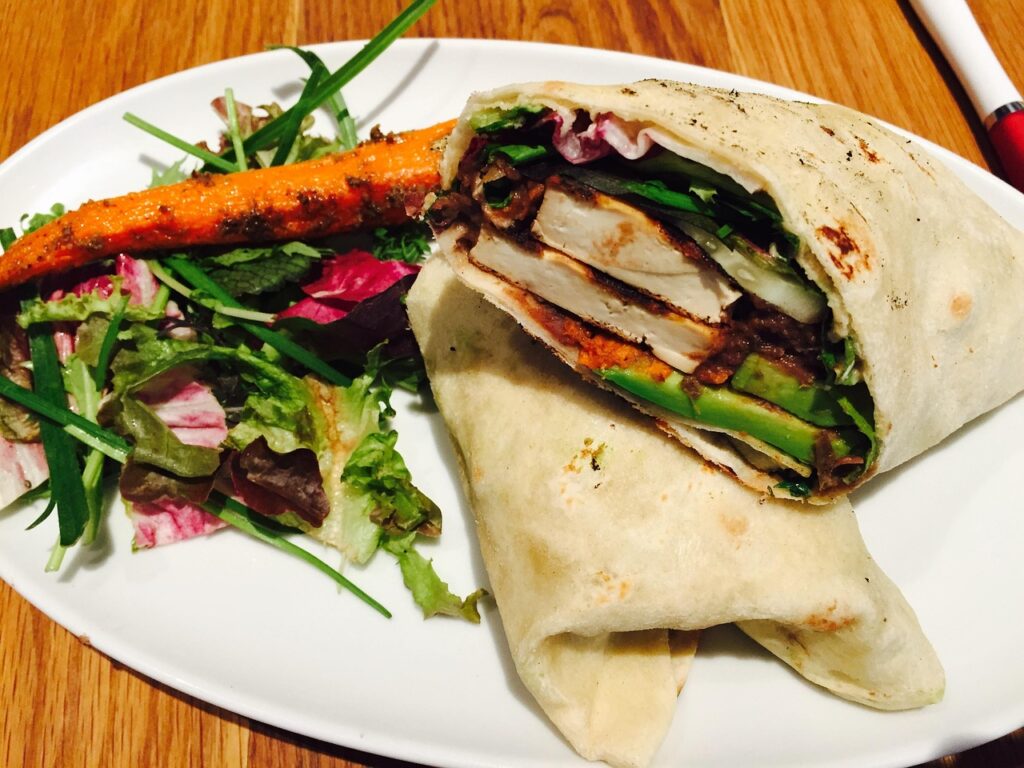
Start with protein. Chicken breast is lean and efficient. Greek yogurt packs protein with minimal prep. Tofu and lentils work for a plant based setup, and eggs are the MVPs of easy, budget friendly nutrition.
Carbs fuel your training and recovery. Oats are a breakfast staple for a reason they’re slow digesting and versatile. Sweet potatoes give you energy without the crash. Rice (white or brown), fruits, and legumes round out the list with clean burning fuel that won’t leave you dragging.
Healthy fats keep your hormones in check and your brain sharp. Olive oil drizzled over veg, avocado on toast, almonds as a snack simple moves with solid impact. Salmon deserves a slot on your plate a few times a week, too. Think of it as fat and protein in one clean package.
Build meals from these basics and you’re already way ahead of the game. No fluff. Just fuel.
Meal Planning Made Simple in 2026
Good planning beats good intentions every time. If you want your eating habits to match your fitness goals, it starts with basics that don’t burn out your willpower.
First: focus on whole foods. Build your meals around ingredients your great grandparents would recognize lean meats, legumes, vegetables, grains, and healthy fats. Ultra processed food might save time, but it rarely supports performance or body composition goals.
Next, sync your carb intake with your daily activity. On heavy training days, increase your complex carbs oats, rice, sweet potatoes. On lighter days, scale back. Your body doesn’t need performance fuel to sit at a desk.
Meal prep is your insurance policy. Cooking a few meals ahead of time sidesteps junk cravings and decision fatigue. You’re far more likely to eat well when the healthy option is already made.
Keep structure simple:
Breakfast: Go high protein with something like eggs, Greek yogurt, or a protein smoothie. Add moderate carbs to get moving.
Lunch: Make it balanced a mix of protein, smart carbs, and healthy fats. Think grilled chicken, quinoa, and avocado.
Dinner: If your evenings are mostly sedentary, drop the carbs slightly and lean into protein and veggies.
Snacks: Choose options that keep you full and stable nuts, boiled eggs, jerky, or fruit with nut butter.
Sound complicated? It doesn’t have to be. Start here for a Weekly Meal Plan for Beginners Balanced and Budget Friendly.
Track, Adjust, Repeat
Once your plan is moving, don’t set it and forget it. Use a macro tracker there are plenty of solid free apps out there in 2026 that do the job without ads or fluff. Whether you’re bulking or leaning out, tracking helps you catch trends like under eating protein or overdoing fats. It’s not about obsession it’s about staying sharp.
Every 4 to 6 weeks, reassess. Are you seeing progress? Energy stable? Clothes fitting different? If yes, stay the course. If no, tweak your numbers. Maybe your TDEE changed or your workouts ramped up. Small adjustments beat drastic overhauls.
And here’s the thing: no single meal ruins anything. Flexibility matters. Eat the burger now and then. Skip a track day if life gets messy. Consistency over time gets results perfection doesn’t.
 There is a specific skill involved in explaining something clearly — one that is completely separate from actually knowing the subject. Kylor Xenvale has both. They has spent years working with expert nutritional guidance in a hands-on capacity, and an equal amount of time figuring out how to translate that experience into writing that people with different backgrounds can actually absorb and use.
Kylor tends to approach complex subjects — Expert Nutritional Guidance, Wellness and Lifestyle Insights, Nutrition Tips and Advice being good examples — by starting with what the reader already knows, then building outward from there rather than dropping them in the deep end. It sounds like a small thing. In practice it makes a significant difference in whether someone finishes the article or abandons it halfway through. They is also good at knowing when to stop — a surprisingly underrated skill. Some writers bury useful information under so many caveats and qualifications that the point disappears. Kylor knows where the point is and gets there without too many detours.
The practical effect of all this is that people who read Kylor's work tend to come away actually capable of doing something with it. Not just vaguely informed — actually capable. For a writer working in expert nutritional guidance, that is probably the best possible outcome, and it's the standard Kylor holds they's own work to.
There is a specific skill involved in explaining something clearly — one that is completely separate from actually knowing the subject. Kylor Xenvale has both. They has spent years working with expert nutritional guidance in a hands-on capacity, and an equal amount of time figuring out how to translate that experience into writing that people with different backgrounds can actually absorb and use.
Kylor tends to approach complex subjects — Expert Nutritional Guidance, Wellness and Lifestyle Insights, Nutrition Tips and Advice being good examples — by starting with what the reader already knows, then building outward from there rather than dropping them in the deep end. It sounds like a small thing. In practice it makes a significant difference in whether someone finishes the article or abandons it halfway through. They is also good at knowing when to stop — a surprisingly underrated skill. Some writers bury useful information under so many caveats and qualifications that the point disappears. Kylor knows where the point is and gets there without too many detours.
The practical effect of all this is that people who read Kylor's work tend to come away actually capable of doing something with it. Not just vaguely informed — actually capable. For a writer working in expert nutritional guidance, that is probably the best possible outcome, and it's the standard Kylor holds they's own work to.