

Why You Shouldn’t Choose Between Strength and Cardio
It’s time to end the false debate. Cardio and strength training aren’t rivals they’re teammates. One builds engine efficiency, the other builds structure. And in 2026, if you want results that actually stick, you need both working together.
The science is clear now: the old fear that cardio kills gains doesn’t hold up. It’s about timing, dose, and intent. Pairing resistance training with the right kind of cardio enhances endurance, improves heart health, supports recovery, and yes helps with fat loss and muscle definition. Done right, cardio makes your lifting better. Lifting makes your cardio more powerful.
If you’re still treating them like enemies, you’re holding yourself back. The sweet spot? A clear structure that gives space for both to thrive, so they feed into each other rather than cancel out. That’s not bro science it’s just smart training.
Designing a Split That Works
Finding the right combination of strength training and cardio requires more than just mixing them randomly throughout the week. Your workout split should reflect your primary goal whether that’s gaining muscle, improving endurance, or leaning out.
Step 1: Clarify Your Goal
Before building your weekly schedule, determine your focus:
Leaning out or improving cardiovascular health? Prioritize cardio early in sessions or dedicate full days to it.
Building muscle and strength? Strength training should come first when energy levels are highest.
Step 2: Follow a Balanced Weekly Split
Here’s a sample week that blends both worlds while giving your body time to recover:
Monday: Full body strength session
Tuesday: Low Intensity Steady State Cardio (LISS)
Wednesday: Rest or active recovery/mobility work
Thursday: Strength (focus on either upper or lower body)
Friday: High Intensity Interval Training (HIIT) or interval cardio
Saturday: Optional light activity or steady state cardio for recovery
Sunday: Full rest and recovery
This combination supports muscle growth, enhances endurance, and prevents overtraining by alternating intensity levels and targeting different energy systems.
Looking for effective strength sessions with zero equipment? Check out these Top 5 Full Body Workouts You Can Do at Home
The Right Cardio for Strength Gains
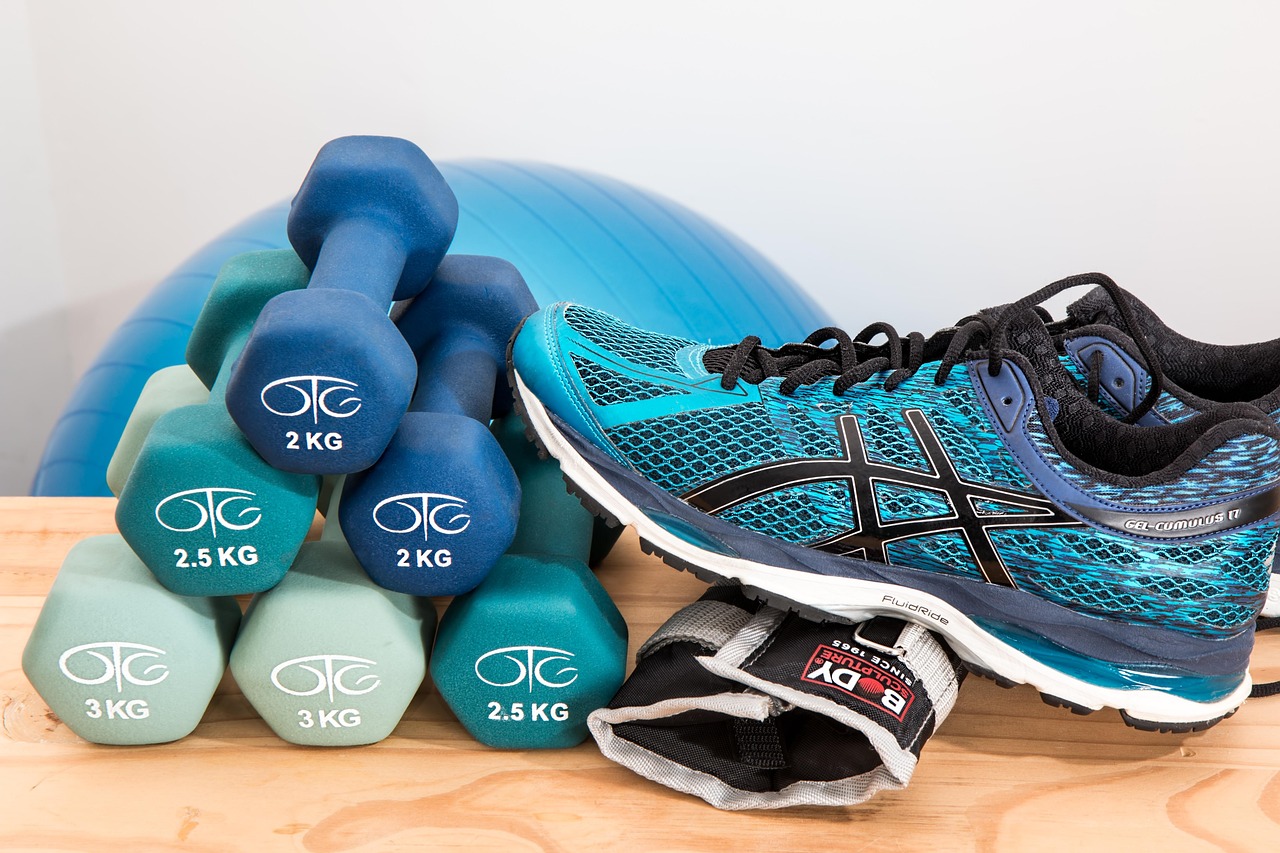
If you’re lifting heavy and worried that cardio will eat your muscle, you’re not alone and you’re not entirely wrong. But cardio isn’t the enemy. The right kind can actually complement your strength work, not undo it.
Avoid long duration, high intensity running if your primary goal is to gain size. Extended sessions on the pavement spike cortisol and can interfere with muscle growth. Instead, lean into low impact cardio like rowing, cycling, or incline walking. These modes challenge your cardiovascular system while reinforcing lower body endurance and strength.
Then there’s HIIT. Keep it smart and minimal once or twice a week. Done right, it can boost your VO₂ max without eating into your recovery or tearing down gains. Think short, sharp, and focused. Remember, you’re not training to be a marathoner. You’re building a machine that does both: lifts heavy and lasts long.
Recovery Is Where the Progress Happens
Training breaks you down. Recovery builds you back up stronger. The best results don’t come from just piling on workouts; they come from respecting the repair process.
Start with sleep. Seven hours a night is your bare minimum. Anyone telling you to hustle through fatigue is selling a shortcut that doesn’t work. Deep sleep is where hormones rebalance, muscles recover, and your nervous system resets.
Next up: active mobility on rest days. We’re talking light movement dynamic stretching, walking, maybe some yoga. Nothing that spikes your heart rate. The goal is circulation, not stress.
And then there’s protein. It matters more than most people admit. Aim for 1.6 to 2.2 grams per kilogram of body weight per day, depending on your goals. That’s not a rough estimate it’s a target. Track it like your strength numbers.
Bottom line: if you want gains that last, your recovery habits have to be as intentional as your training plan.
The Takeaway
Forget the old debate cardio vs. strength. That’s outdated thinking. The truth in 2026 is clear: when combined with intention, these two workhorses amplify each other. You don’t have to sacrifice muscle to boost endurance, and you don’t have to ditch cardio to get strong. The right balance creates a body that performs, recovers, and sustains long term gains.
This isn’t about doing double the work. It’s about smart programming. Knowing when to push, when to recover, and how to layer strength and cardio sessions based on your goals. Whether you’re training for a marathon, chasing muscle, or just trying to stay agile and functional, blending both disciplines is the move.
The smartest athletes today don’t pick sides. They build a foundation with both pillars functional, adaptable, and hard to break.
 Evelyna Fenskerton has opinions about wellness and lifestyle insights. Informed ones, backed by real experience — but opinions nonetheless, and they doesn't try to disguise them as neutral observation. They thinks a lot of what gets written about Wellness and Lifestyle Insights, Expert Nutritional Guidance, Dietary Supplements Review is either too cautious to be useful or too confident to be credible, and they's work tends to sit deliberately in the space between those two failure modes.