
Consistency Over Intensity
People who live the longest don’t rely on 90 day challenges or brutal gym sessions. They put their trust in quiet consistency simple habits, repeated daily. Walking after meals. Stretching in the morning. Eating slowly. Sleeping well. Nothing flashy, everything effective.
Extreme doesn’t last. Sustainable does. That’s the difference between a resolution and a lifestyle. Long lived individuals choose routines they can maintain effortlessly, not ones fueled by guilt or hype. This keeps stress low and results add up over years, not weeks.
Discipline isn’t about pushing harder. It’s about showing up without burning out. Most centenarians aren’t hyper optimized machines; they’re just people who chose routines that matched their life, not fought against it. Simple works when you stick with it.
Nutrition Is Simple, Not Trendy
Centenarians aren’t counting macros or chasing the latest superfood for them, food is straightforward. Their meals revolve around whole, minimally processed ingredients: things that grow, not things that come in boxes. Think seasonal vegetables, beans, whole grains, nuts, and roots. Nothing fancy, just real food that’s been working for generations.
They also eat less. Not in a restrictive, spreadsheet tracked way but naturally. Smaller portions, eaten slowly, often shared in company. Meals end when they’re about 80% full, not stuffed. Hunger cues matter more than calorie counts.
The same goes for fluids. Instead of guzzling a gallon at once to meet some hydration quota, they sip water across the day. It’s a quiet habit, not a performance.
In longevity zones places like Okinawa, Ikaria, and Sardinia you’ll also see certain staples over and over. Dark leafy greens. Lentils. Sweet potatoes. Sourdough bread. Fermented foods like miso and kefir. These aren’t rare finds; they’re accessible and unprocessed, built into the rhythm of life. It’s food that feeds, not food that distracts.
Movement is Built Into the Day
It’s Not About the Gym
You won’t find treadmill marathons or extreme fitness routines among those who live the longest. Instead, they prioritize consistent physical movement woven naturally into their daily lives.
No structured workout plans or gym memberships required
Physical activity happens organically through daily chores, hobbies, and active transportation
Everyday Activities that Keep the Body Young
Simple movements add up both in minutes and benefits.
Walking to run errands, visit friends, or simply to enjoy nature
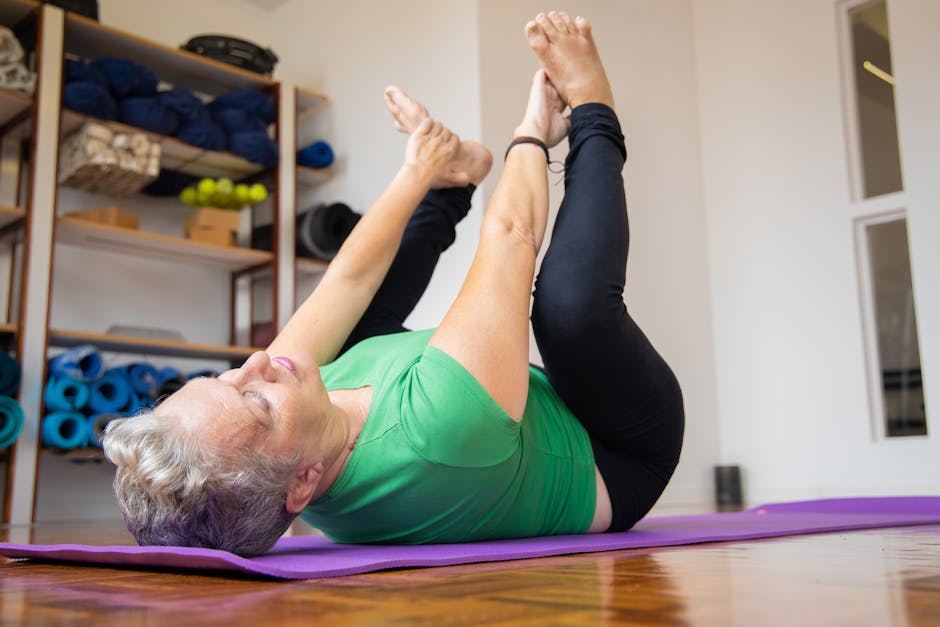
Stretching regularly to maintain flexibility and mobility
Manual tasks like cleaning, gardening, and cooking that engage muscles and improve circulation
These movements don’t spike cortisol or lead to burnout they nurture endurance, bone strength, and balance.
Why Low Impact Movement Matters
Emerging data continues to support what many long lived communities have practiced for generations.
A 2026 study confirms that daily low impact movement significantly lowers inflammation markers
Incorporating light physical activity throughout the day supports heart health and nervous system regulation
The key isn’t how hard you move, but how often. Longevity thrives on motion steady, intentional, and sustainable.
Deep, Real Social Connection

Longevity isn’t built in isolation. In communities where people regularly live to 90 and beyond, one cornerstone habit always stands out: consistent connection with others.
Daily Touchpoints Matter
It’s not about occasional check ins or scrolling through comments it’s about being present, daily. This means:
Face to face conversations with family, friends, and neighbors
Casual chats during walks or local errands
Gatherings for meals or small celebrations
Even brief daily social interactions can have a measurable impact on well being.
Analog Over Digital
These long lived individuals aren’t glued to their screens. Their social lives revolve around tangible experiences:
Laughing during dinner with loved ones
Sharing stories and traditions across generations
Preparing and eating meals as a group
Many of these moments happen without any smartphones in sight.
The Science Behind Friendship and Longevity
The benefits of strong relationships extend far beyond emotional satisfaction. A growing body of research links deep social ties to better brain health and emotional resilience:
Significantly reduced risk of Alzheimer’s and cognitive decline
Lower incidence of depression and loneliness related illnesses
Improved immune response and decreased systemic inflammation
Bottom line: real connection is as vital as diet and exercise. It’s not optional it’s foundational.
Mindful Tech Use
People chasing a long, healthy life aren’t glued to screens. One of the most consistent habits among longevity minded individuals? Unplugging on purpose. That means setting real boundaries, carving out screen free windows, and avoiding the endless scroll that eats up hours without offering much in return.
Digital overload has a cost. Too much blue light and constant notifications mess with your sleep. Cognitive fatigue builds up. Stress creeps in. Pulling back even just in the evenings can lower cortisol, boost attention span, and let your nervous system actually relax.
This isn’t about abandoning technology. It’s about controlling it before it controls you. Whether it’s screen curfews, app timers, or full on weekend detoxes, stepping away regularly leads to better rest, clearer thinking, and more present living. For a simple guide to unplugging without going off grid, check out this digital detox guide.
Rest Isn’t Optional
The people who live the longest don’t treat sleep like an afterthought it’s just as essential as food or movement. For them, bedtime isn’t a deadline. It’s a ritual. Screens go dark early, lights stay soft, and the body gets a clear signal: it’s time to repair. Naps aren’t indulgences either they’re built in resets. Fifteen quiet minutes in the middle of the day can make a bigger impact than another cup of coffee.
Breathing deep, slowing down before bed, and allowing space for silence all help the nervous system unwind. These aren’t luxuries; they’re necessities. The science backs it: studies published in 2026 confirm that consistent, quality rest ramps up cellular repair and slows biological aging. It’s not about logging eight hours on the dot. It’s about aligning rest with the body’s natural signals staying consistent, respecting the wind down, and allowing space to recharge.
In the end, high performers in life and longevity share one trait they know when to pause.
Purpose Powers Everything
The people who live the longest usually aren’t chasing some elusive secret they just have a reason to get out of bed each morning. Purpose isn’t always grand. It might be feeding the chickens, checking in on a neighbor, finishing a quilt, or watching tomato plants grow. But it’s there, quietly anchoring the day.
Research across cultures and age groups consistently links a clear sense of purpose to better mental health, reduced risk of chronic disease, and longer life spans. It fuels routine, builds resilience, and adds structure to aging. Even small goals teaching the grandkid how to fish, walking a friend’s dog, showing up at a local volunteering gig build psychological momentum.
The takeaway: you don’t need a mission statement. Just something that matters enough to show up for.
Final Takeaways
There’s no shortcut to a long, healthy life. No powder, guru, or six week plan beats the power of daily repetition. What longevity really looks like is showing up for yourself day after day, in small, unglamorous ways choosing the walk, eating the fresh food, turning off the screen, taking the nap.
The people who live the longest aren’t obsessed with biohacks. They’re not chasing years they’re living fully in each one. They eat simply, move naturally, stay connected, and sleep well. These aren’t breakthroughs. They’re habits. And if there’s a secret to it all, it’s this: make your healthy choices so regular they become background noise. That’s when the real change happens.
 There is a specific skill involved in explaining something clearly — one that is completely separate from actually knowing the subject. Kylor Xenvale has both. They has spent years working with expert nutritional guidance in a hands-on capacity, and an equal amount of time figuring out how to translate that experience into writing that people with different backgrounds can actually absorb and use.
Kylor tends to approach complex subjects — Expert Nutritional Guidance, Wellness and Lifestyle Insights, Nutrition Tips and Advice being good examples — by starting with what the reader already knows, then building outward from there rather than dropping them in the deep end. It sounds like a small thing. In practice it makes a significant difference in whether someone finishes the article or abandons it halfway through. They is also good at knowing when to stop — a surprisingly underrated skill. Some writers bury useful information under so many caveats and qualifications that the point disappears. Kylor knows where the point is and gets there without too many detours.
The practical effect of all this is that people who read Kylor's work tend to come away actually capable of doing something with it. Not just vaguely informed — actually capable. For a writer working in expert nutritional guidance, that is probably the best possible outcome, and it's the standard Kylor holds they's own work to.
There is a specific skill involved in explaining something clearly — one that is completely separate from actually knowing the subject. Kylor Xenvale has both. They has spent years working with expert nutritional guidance in a hands-on capacity, and an equal amount of time figuring out how to translate that experience into writing that people with different backgrounds can actually absorb and use.
Kylor tends to approach complex subjects — Expert Nutritional Guidance, Wellness and Lifestyle Insights, Nutrition Tips and Advice being good examples — by starting with what the reader already knows, then building outward from there rather than dropping them in the deep end. It sounds like a small thing. In practice it makes a significant difference in whether someone finishes the article or abandons it halfway through. They is also good at knowing when to stop — a surprisingly underrated skill. Some writers bury useful information under so many caveats and qualifications that the point disappears. Kylor knows where the point is and gets there without too many detours.
The practical effect of all this is that people who read Kylor's work tend to come away actually capable of doing something with it. Not just vaguely informed — actually capable. For a writer working in expert nutritional guidance, that is probably the best possible outcome, and it's the standard Kylor holds they's own work to.