

Why Meal Planning Saves More Than Time
When you’ve got hungry kids at your feet and no clue what to cook, dinner becomes a stress test. Meal planning changes that. A simple plan posted on the fridge means fewer decision meltdowns (yours, not just theirs). You already know what’s for dinner, and the guesswork is gone.
It also means less food waste. Planning ahead helps you only buy what you’ll actually use. That means fewer sad veggies rotting in the drawer and fewer impulse buys you regret later. Grocery trips get faster, cheaper, and more focused.
Long term, it does more than just save time and money. Meal planning builds a rhythm. Kids learn that meals have structure and that vegetables don’t just show up once a week. The early habits you set around food become the default they carry into their teens and beyond. It’s not about perfection it’s about giving everyone a little less chaos and a little more confidence at the table.
Keep It Simple, Stick To The Basics
Meal planning doesn’t need to be fancy to work. Start by narrowing your dinner rotation to 10 12 reliable meals that hit the sweet spot: easy to make, healthy enough, and most important your kids will actually eat them. Think tacos, stir fries, pasta with hidden veggies, sheet pan chicken. Familiar food reduces last minute stress and decision fatigue.
Batch cooking is your ally. Prep proteins like shredded chicken, ground turkey, or tofu early in the week. Do the same with grains brown rice, couscous, quinoa. Then just mix and match with whatever sauce or topping sounds doable. One night, it’s Asian bowls. Another, burritos. Same base, new spin.
When plating, keep it simple and balanced. The “plate method” works: half the plate filled with vegetables, a quarter protein, and a quarter carbs. No measuring cups. No macros. Just a visual guide that simplifies choices and helps your kids learn what a real meal looks like.
It’s not about reinventing the kitchen every week. It’s about building rhythm you can actually stick to.
Involve The Kids Without Slowing Yourself Down
Getting kids involved in meal planning doesn’t have to mean chaos in the kitchen. Start simple: let them pick one meal a week from a list you’ve already vetted for speed, nutrition, and sanity. It gives them a sense of control without turning the fridge into a free for all.
Next, hand out small but real responsibilities think washing veggies, measuring ingredients, or stirring a pot under supervision. These age appropriate kitchen jobs build buy in. When kids have some skin in the game, they’re more likely to eat what’s on their plate.
To keep everything on track, use a visual system. A whiteboard menu or sticker chart works wonders. When kids can see what’s coming for the week, there’s less nagging, fewer surprises, and more excitement. You’re building habits here, not just dinner.
Speed Up Prep With Smarter Shortcuts
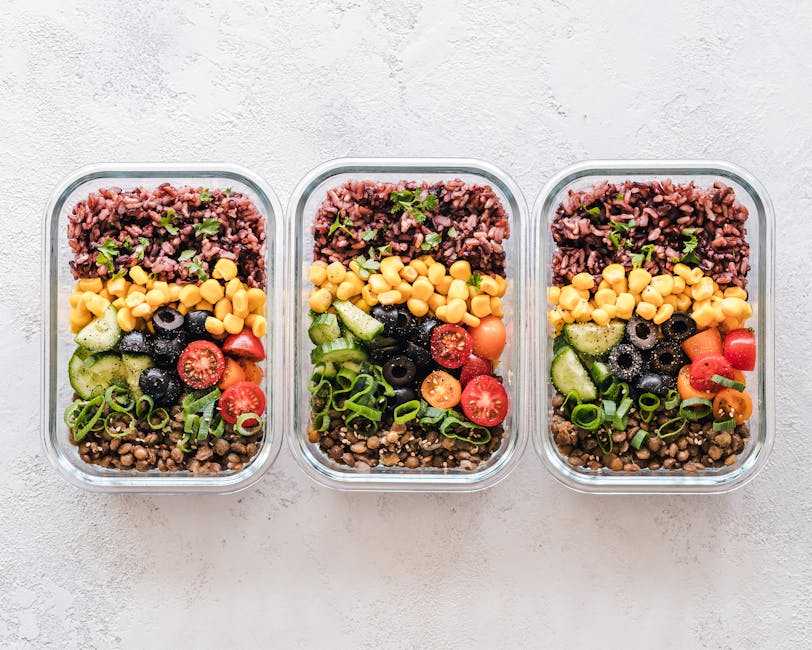
Busy week? Short on time but still want to feed your family well? Smart meal planning isn’t just about what you eat, but how you prep. Here are three game changing shortcuts that save time without sacrificing nutrition.
Pre Chop or Buy Pre Cut Veggies
Chopping vegetables every day can eat up precious time. Instead:
Set aside a prep hour once or twice a week to chop onions, peppers, carrots, and other staples.
Store them in airtight containers for easy grab and go use.
Short on time? Pre cut veggies from the store are worth the extra dollar if they help you follow through.
Make Frozen Produce Your Friend
Frozen doesn’t mean lower quality. In many cases, frozen produce is just as if not more nutrient dense than fresh options because it’s picked and frozen at peak ripeness.
Keep staples like spinach, peas, and cauliflower rice in your freezer.
Toss frozen veggies directly into soups, stir fries, or pasta dishes no defrosting needed.
Frozen fruit makes great smoothie starters or snack options.
Double Up and Freeze the Extras
If you’re already cooking, make it count. Batch cooking is the ultimate safety net for busy families.
Choose easy to freeze meals like chili, soups, or casseroles.
Portion leftovers into family size or single serving containers.
Label with the date and reheating instructions for stress free weeknights.
Smart prep today = stress free meals tomorrow. These small time investments give you major payoffs when life gets hectic.
Tame the Snacks Without the Fight
Snacks don’t have to be chaos. Set up a designated snack station in both the fridge and pantry that’s easy to reach especially for little hands. Think clear bins, portioned baggies, small containers. When it’s all visible and ready to go, there’s less rummaging and whole lot less whining.
The goal? Balance. Pair a protein with some fiber so snacks actually fuel kids instead of sending them crashing an hour later. Think cheddar with apple slices, hard boiled eggs with snap peas, or crackers with hummus. Simple combos, big payoff.
Snack time is also a stealth opportunity to layer in nutrients. Blend spinach into a smoothie. Stir some chia into yogurt. Mix nut butter into an oatmeal bite. Kids won’t notice, but their bodies (and brains) will thank you.
Smart setup now means fewer decisions and fewer meltdowns later.
Nutrition That Builds Brains
What kids eat doesn’t just fuel their bodies it wires their brains. Certain nutrients do heavy lifting when it comes to focus, memory, and mood. Omega 3s (especially DHA) are key for brain development and tend to be low in kids’ everyday diets. Iron plays a direct role in attention span and energy. Zinc supports rapid growth and better immune response, while B vitamins are essential for turning food into usable brain power.
Before reaching for supplements, start with what’s on the plate. Fatty fish like salmon, fortified cereals, leafy greens, beans, eggs, and whole grains hit most of the marks. A balanced diet does more than keep kids full it keeps their minds sharp.
Every snack, bite, and sip counts. Food first doesn’t mean complicated it just means intentional. Want to learn more about how meals impact mental performance? Read more about diet and brain health.
Make The System Work For You
Planning doesn’t have to mean mapping out a gourmet menu every night. In fact, the real win is creating space for flexibility. One simple habit: schedule a weekly “use up leftovers” night. It cuts down on food waste and clears out the fridge. It’s not glamorous, but it works and kids don’t mind if you pitch it as a mix and match buffet or a taste test dinner.
Also, keep a running list use your phone’s notes app of meals that actually worked. The ones the kids finished without a fuss, the ones that used what you had on hand. This list becomes your sanity saver on tired weeks when inspiration hits zero.
Finally, drop the idea of perfect. Meal planning only works if it’s something you can keep doing. Simple is repeatable. Tacos again? That’s fine. Rotating favorites makes life easier. Aim for a system that fits your real life not one that looks good on paper but crashes by Thursday.
Final Thought: Healthy ≠ Complicated
Forget big overhauls and unreal meal prep goals. The families who succeed at feeding kids well aren’t trying to be perfect they’re just running tight, repeatable systems. A few sticky notes on the fridge. A plan that rolls week to week. A grocery list that’s mostly the same every time. That’s the shift: small systems that get used beat big ones that sit unused.
The real hack? Make the healthy choice the easiest one. If there’s cut up fruit on the shelf, kids grab that first. If dinner’s half prepped by Sunday, tired Tuesday is a non issue. You’re not trying to win at Pinterest. You’re building a structure that does half the work for you, daily. Keep it light, keep it moving, and keep showing up.
 Lawrence Fyeristics has opinions about fitness and exercise routines. Informed ones, backed by real experience — but opinions nonetheless, and they doesn't try to disguise them as neutral observation. They thinks a lot of what gets written about Fitness and Exercise Routines, Nutrition Tips and Advice, Healthy Meal Plans is either too cautious to be useful or too confident to be credible, and they's work tends to sit deliberately in the space between those two failure modes.
Reading Lawrence's pieces, you get the sense of someone who has thought about this stuff seriously and arrived at actual conclusions — not just collected a range of perspectives and declined to pick one. That can be uncomfortable when they lands on something you disagree with. It's also why the writing is worth engaging with. Lawrence isn't interested in telling people what they want to hear. They is interested in telling them what they actually thinks, with enough reasoning behind it that you can push back if you want to. That kind of intellectual honesty is rarer than it should be.
What Lawrence is best at is the moment when a familiar topic reveals something unexpected — when the conventional wisdom turns out to be slightly off, or when a small shift in framing changes everything. They finds those moments consistently, which is why they's work tends to generate real discussion rather than just passive agreement.
Lawrence Fyeristics has opinions about fitness and exercise routines. Informed ones, backed by real experience — but opinions nonetheless, and they doesn't try to disguise them as neutral observation. They thinks a lot of what gets written about Fitness and Exercise Routines, Nutrition Tips and Advice, Healthy Meal Plans is either too cautious to be useful or too confident to be credible, and they's work tends to sit deliberately in the space between those two failure modes.
Reading Lawrence's pieces, you get the sense of someone who has thought about this stuff seriously and arrived at actual conclusions — not just collected a range of perspectives and declined to pick one. That can be uncomfortable when they lands on something you disagree with. It's also why the writing is worth engaging with. Lawrence isn't interested in telling people what they want to hear. They is interested in telling them what they actually thinks, with enough reasoning behind it that you can push back if you want to. That kind of intellectual honesty is rarer than it should be.
What Lawrence is best at is the moment when a familiar topic reveals something unexpected — when the conventional wisdom turns out to be slightly off, or when a small shift in framing changes everything. They finds those moments consistently, which is why they's work tends to generate real discussion rather than just passive agreement.