
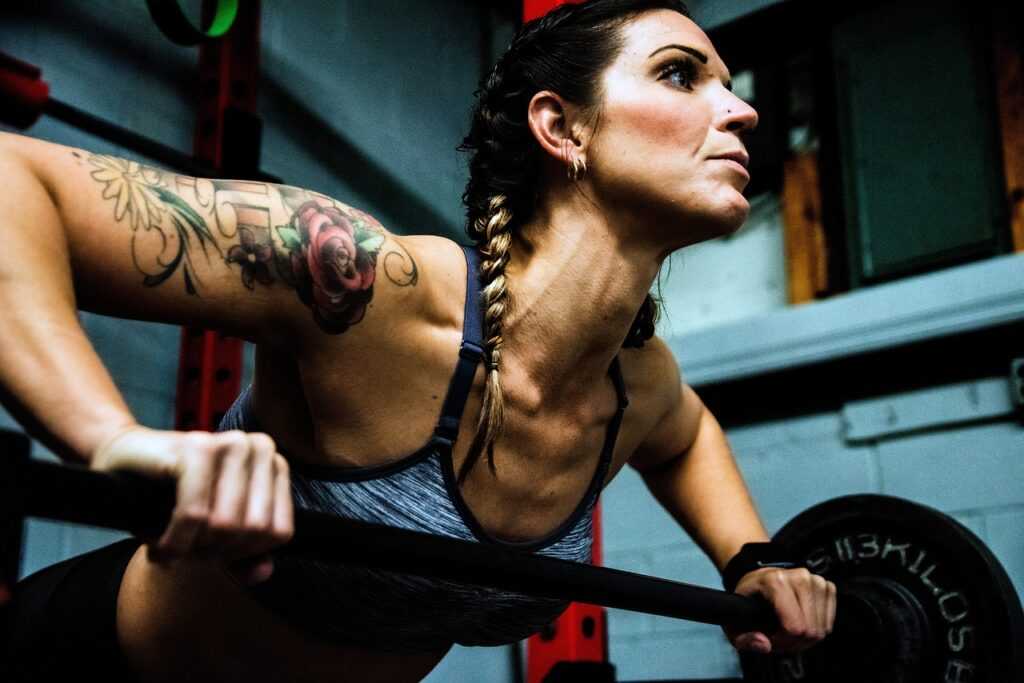
Why Bodyweight Training Works
Bodyweight training isn’t just convenient it’s powerful. When designed correctly, these routines develop real world strength, improve mobility, and build endurance without a single piece of equipment.
Functional Strength, Real Results
One of the biggest benefits of bodyweight workouts is the kind of strength they build. It’s not just about bulk it’s about better movement, posture, and joint control for everyday life.
Creates strength that’s transferable to daily tasks and sports
Encourages full body coordination and balance
Trains multiple muscles and joints simultaneously
Zero Gear, Zero Excuses
With bodyweight training, your body is your gym. No dumbbells? No bench press? No problem.
Perfect for small spaces from apartments to hotel rooms
No cost or gym membership required
Easily scalable for beginners or experienced athletes
Gentle on Joints, High on Impact
Bodyweight exercises reduce joint strain compared to heavy lifting while still delivering serious results when performed with good form and intensity.
Lower injury risk than traditional weight training
Adaptable based on mobility or recovery needs
Ideal for rebuilding strength post injury or after long breaks
Whether you’re new to fitness or looking to shake up your routine, bodyweight training offers a smart, sustainable way to get strong anytime, anywhere.
Upper Body Routines That Deliver
You don’t need a gym to build real upper body strength. You just need consistency and these no fuss moves that hit the right muscles, hard.
Push Up Variations
Start with the basics and stack the variations based on your level. Standard push ups are your foundation chest, shoulders, triceps, and core all firing. Incline push ups (hands on a raised surface) help beginners groove form. Decline push ups (feet elevated) ramp up shoulder and upper chest recruitment. Then there’s the diamond push up hands close under the chest for serious triceps engagement. Rotate through them weekly or plug them into circuits for balanced development.
Dips Using Chairs or Benches
Grab two sturdy chairs or use the edge of a bench or couch. Dips light up your triceps, front delts, and chest while building shoulder stability under load. Keep your movement controlled no collapsing at the bottom. Aim for full range, then push hard back to lockout.
Arm and Shoulder Burners
Time to finish strong. Wall walks challenge your core, coordination, and shoulder strength walk your feet up a wall while your hands lead forward. It’s brutal, but worth it. Pike push ups mimic the vertical press, putting more load on the shoulders and upper chest. Add short isometric holds at the bottom of each rep for deep muscle fatigue. Ten minutes of these is enough to humble even seasoned lifters.
No fluff, just targeted moves that work. Use them with purpose, and your upper body won’t just look stronger it’ll perform better too.
Core Workouts for Real Strength
Your core is more than just visible abs it’s the foundation of your strength. Targeting this area improves balance, posture, and overall power output. With consistency, bodyweight core exercises can rival traditional gym routines in effectiveness.
Plank Circuits: Total Core Activation
These foundational holds build endurance and deep core engagement. Rotate through variations to hit all angles:
Front Plank Engage shoulders, abs, and glutes; hold for 45 seconds.
Side Planks (Left & Right) Target obliques and lateral stabilizers.
Reverse Plank Strengthens the posterior chain and challenges glutes, shoulders, and lower back.
Tip: Keep your hips aligned and don’t let them sag form is everything.
Leg Raises + Reverse Crunches: Lower Core Focus
Strengthen the often neglected lower abdominals and hip flexors with these controlled movements:
Leg Raises Keep your lower back pressed into the floor; go slow.
Reverse Crunches Curl your hips up, not just your knees in.
Combine both for a deep burn that builds real control and definition.
Mountain Climbers + V Sits: Strength Meets Conditioning
Fire up your core while keeping your heart rate elevated:
Mountain Climbers Fast paced and dynamic, these engage the entire body while torching fat.
V Sits Hold the V position for isometric control or add flutter kicks for more intensity.
These pair well together for a core/cardio blend that boosts endurance and builds muscle tone.
Mix and match these core focused exercises into your weekly training sessions, whether as a finisher or a standalone circuit. Aim for consistency over volume progress comes with persistence.
Lower Body: Legs Without Weights
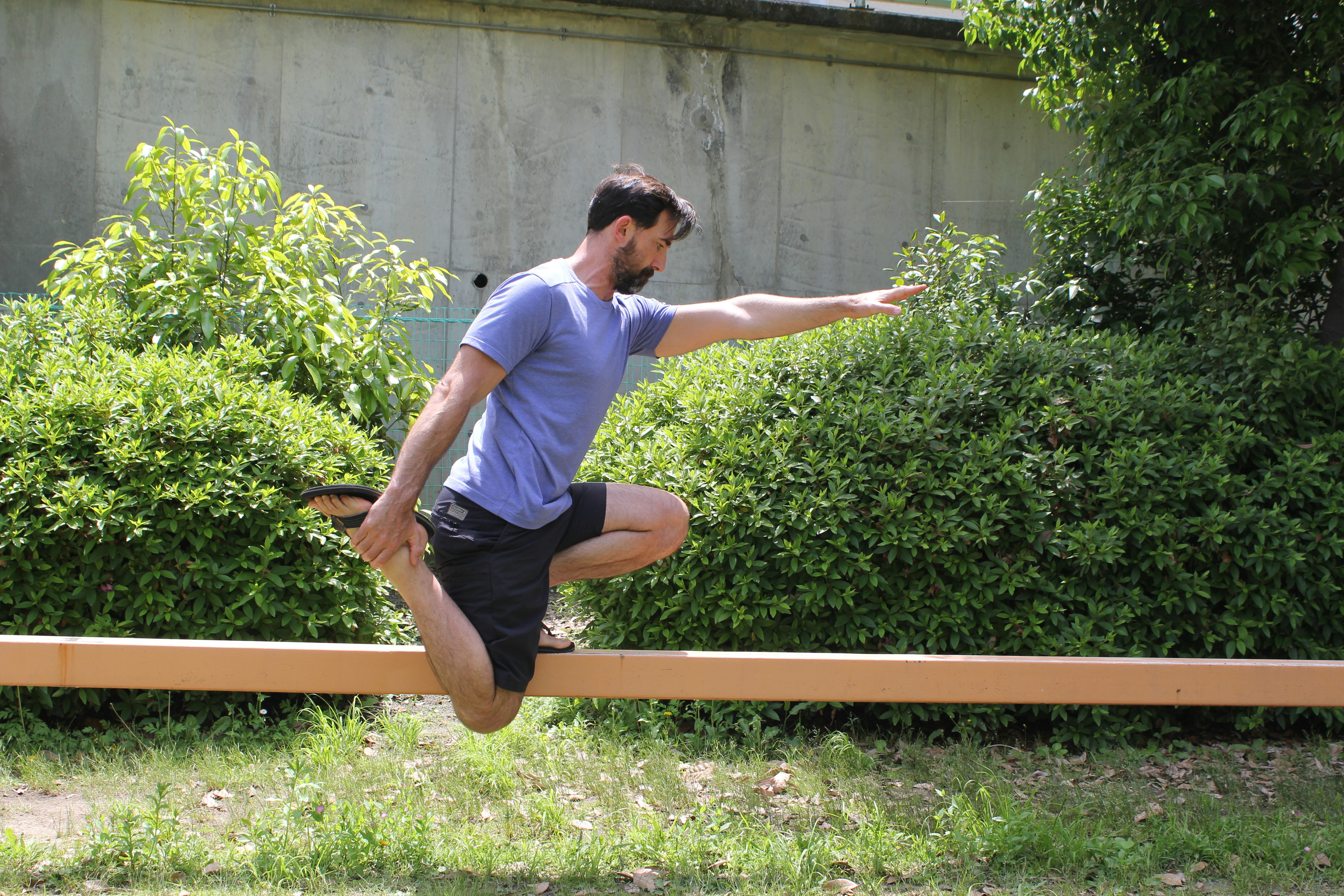
Think you need a squat rack to build strong legs? Think again. Bodyweight training, when done right, hits hard and these progressions are proof.
Start with air squats. Move slow, full range, back flat. Once you’re locked in, take it up a notch with pulse squats stay low and burn through short, controlled reps. When you’re ready for power, jump squats add that explosive edge that gets your heart rate climbing and your fast twitch fibers firing.
Lunges are next. Static lunges build serious unilateral strength and balance. Bulgarian split squats (rear foot elevated) demand even more control and work your glutes and quads harder than you’d expect. Push through the heel, keep your chest up, and trust the process.
Finish with glute bridges and wall sits. They look simple but activate the entire posterior chain glutes, hamstrings, and spinal stabilizers without loading the spine. Glute bridges are gold for firing up those hip extensors, and wall sits? They’ll teach you pain tolerance while building endurance.
This mix doesn’t just build muscle it builds raw leg strength, control, and stamina. No gear needed. Just consistency.
25 min Full Body Combo Circuit
This routine hits everything chest, legs, core, and lungs in under half an hour. It’s gritty, efficient, and requires zero equipment. Just your body, a bit of space, and a willingness to sweat.
The Circuit:
Go for 3 full rounds. Rest only as needed, but aim to keep the pace up. Push when it burns.
10 push ups Clean form or drop to knees if needed. Don’t cheat the depth.
15 squats Controlled, upright torso. Drive through the heels.
30 second plank Brace everything: glutes, core, shoulders locked.
10 lunges per leg Alternating or all on one side first. Keep the front knee in check.
10 mountain climbers per side Fast but clean. Core tight, back flat.
Cool Down:
Don’t skip it. Your muscles need time to shift back down. Aim for at least 5 minutes.
Deep quad and hamstring stretches
Hip flexor openers
Forward fold to release the spine
End with deep breathing try four seconds in, four seconds out. Reset your system.
This circuit doesn’t need frills. Middle of your living room. Early morning. Or during a lunch break. It works because you do.
Strength Gains = Consistency + Food
Building strength without equipment doesn’t mean bypassing structure it means leaning into habits that support ongoing progress. Bodyweight workouts will challenge your body, but it’s the consistency, recovery, and nutrition that move the needle.
Track What Matters
To keep improving, you need to measure more than just sweat.
Reps and sets: Are you doing more this week than last?
Form quality: Film yourself occasionally and look for areas to tighten up
Recovery rate: Notice how long it takes you to feel fresh again between workouts
Rest Isn’t Optional It’s Fuel
Muscle growth happens outside the workout window.
Take at least 1 2 full rest days per week
Prioritize sleep and hydration post workout
On active recovery days, opt for walking, stretching, or light mobility work
Eat for Results
You can’t outwork bad fueling but you can amplify your hard work with the right intake.
Keep protein intake consistent to support muscle repair
Include complex carbs and healthy fats to restore energy levels
Stay hydrated all day, not just around workouts
For guidance on smart fueling strategies, check out nutrition for workouts—fuel your training for true gains
Staying consistent in both your training and your recovery rituals is what turns a week of workouts into months of progress.
Staying Motivated Long Term
Progress doesn’t come from occasional bursts. It comes from showing up even when the motivation isn’t there. That’s why setting small, weekly goals works. Keep it simple: one more rep, one more round, a few seconds longer on the plank. Wins stack fast when they’re built on habits.
Filming yourself helps, too. It’s not about vanity it’s data. Seeing your form on video gives your brain what the mirror never will: truth. You’ll spot what’s working, what’s not, and where you’re compensating. Less guessing. More refining.
And don’t go it alone. Get a partner, even if they’re across the world. A quick check in, a shared spreadsheet, or synced up workout windows can keep you anchored. Accountability fuels consistency, and consistency is what builds strength.
Stay sharp, train smart, and let your body speak for itself.
 Evelyna Fenskerton has opinions about wellness and lifestyle insights. Informed ones, backed by real experience — but opinions nonetheless, and they doesn't try to disguise them as neutral observation. They thinks a lot of what gets written about Wellness and Lifestyle Insights, Expert Nutritional Guidance, Dietary Supplements Review is either too cautious to be useful or too confident to be credible, and they's work tends to sit deliberately in the space between those two failure modes.