
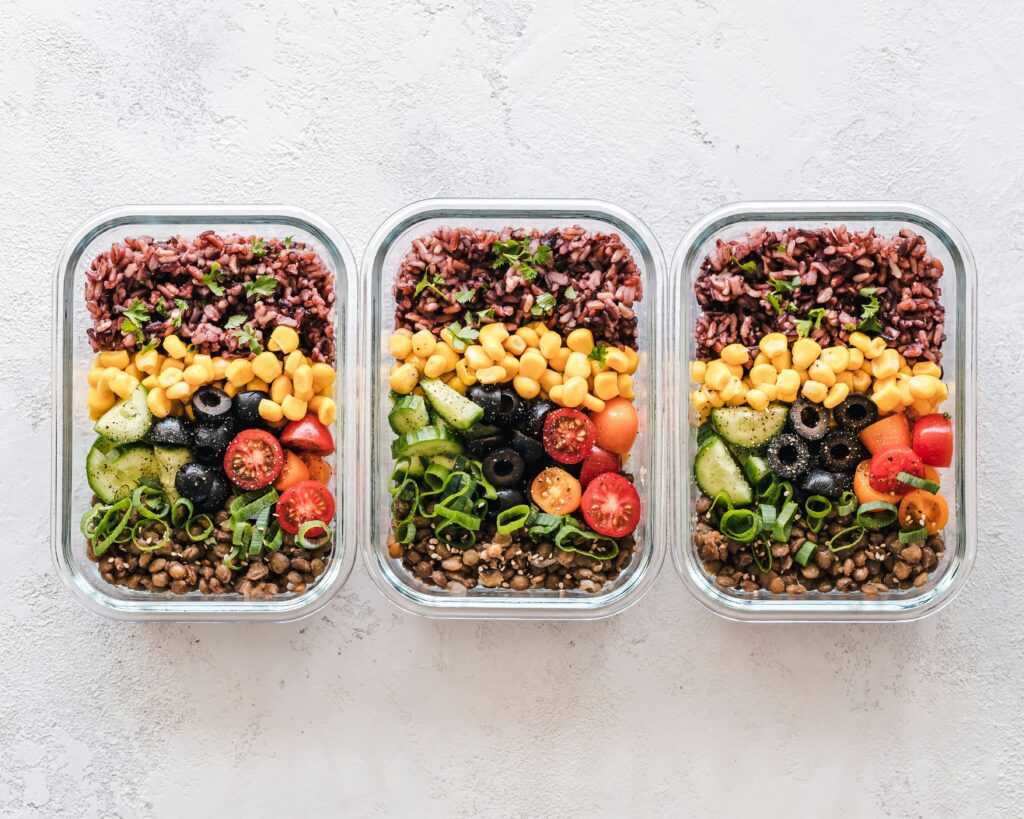
Get Clear on Your Goals
Before you start chopping veggies and lining up containers, pause. What’s the point of your meal prep? Are you trying to lose weight, build muscle, or just keep your energy steady all week? Each goal pulls your plan in a different direction. Know where you’re headed before you hit the grocery store.
Weight loss on a plant based plan means paying attention to calories without under eating. You’ll want high fiber, lower calorie foods like leafy greens, cruciferous vegetables, legumes, and whole grains. Stay full, stay fueled without going overboard on nuts and oils.
Muscle gain shifts the focus. You still lean on plants, but protein and overall calorie intake need a bump. Tofu, lentils, tempeh, seitan, quinoa, and protein powders become everyday staples. And don’t skip the carbs your muscles need fuel to grow.
Need more energy? That usually means better macronutrient balance. Enough whole carbs for lasting fuel, solid protein sources in every meal, and healthy fats to keep hormones and mood in check. Don’t rely on fruit alone balance is key.
Bottom line: your meal prep should work for your body, not just fill your fridge. Start with your goal, then build your meals to support it.
Choose the Right Ingredients
Smart meal prep starts with a smart grocery list. Choosing the right whole foods ensures your meals are nutritious, satisfying, and sustainable over time. For a balanced plant based plan, focus on staples that provide maximum nutrients without complicated prep.
Focus on Whole, Fiber Rich Staples
Prioritize whole plant foods that fuel your body and support digestion:
Legumes: lentils, chickpeas, black beans, and edamame provide plant based protein and fiber.
Whole grains: brown rice, quinoa, farro, and oats offer complex carbs and essential minerals.
Vegetables: leafy greens, cruciferous veggies (like broccoli and cauliflower), squash, and root vegetables are nutrient dense and meal prep friendly.
Healthy fats: avocados, nuts, seeds (especially chia, hemp, and flax), and plant oils like olive or avocado oil keep meals satisfying.
Prioritize Plant Based Proteins
To meet your protein needs without relying on processed alternatives, include a rotation of these sources:
Tofu and tempeh, great for stir fries, salads, or wraps
Cooked lentils and beans, easy to add to grain bowls and stews
Seitan (if you tolerate gluten) for high protein meals
Protein rich grains like quinoa and buckwheat
Nut butters and seed based spreads for snacks or sauces
Shopping Smart
A well structured shopping plan can save you hours and help cut waste. Stick to the basics, buy in bulk when possible, and go in with a wrap around the week mindset.
Make a list before you shop based on your weekly menu less impulse buying.
Buy frozen veggies and fruits to reduce spoilage and cost.
Shop in bulk for pantry staples like beans, grains, nuts, and seeds.
Use apps or store loyalty programs to find weekly deals on organic or specialty items.
Choosing ingredients with intention keeps your meals simple, nourishing, and aligned with your goals.
Plan Your Weekly Menu
Don’t overcomplicate it simplicity keeps it sustainable. Lock in three go to breakfasts that hit your macros and taste good on repeat. Think overnight oats with chia and almond butter, scrambled tofu wraps, or a smoothie bowl pre packed in freezer bags. Rotate them based on how much time you’ve got in the morning.
For lunch and dinner, aim for 3 to 4 solid recipes you can cycle through the week. Keep them flexible. A lentil and quinoa stew, roasted veggie grain bowls, a chickpea Caesar wrap, or a tempeh stir fry with brown rice should cover it. You want meals that reheat well and still taste solid on day four.
Batch cooking is the gamechanger. Pick two grains (say, brown rice and farro), two proteins (like marinated tofu and lentils), and two sauces (maybe a tahini lemon and a spicy peanut). Mix and match. Prep them once, and build different meals without burning mental energy every night. Your carbs, protein, and fats are all lined up, and the flavor stays fresh.
The goal? Meals that fuel your day, not zap it. You need energy, not just calories. That means meals rich in fiber, complex carbs, and plant based protein. If it keeps you full for 3 4 hours and doesn’t require a chef’s degree to make, you’re doing it right.
Set Up for Success

Let’s keep this simple: if your containers suck, everything else will too. Invest once in high quality glass containers divided ones for portable meals, flat stackables for fridge space, jars for sauces and dressings. Lids should actually seal. No weird stains. Nothing that warps after three microwaves.
Next, labeling. It doesn’t need to be fancy. Painter’s tape and a Sharpie work just fine. Include date and meal (e.g., “Lunch Wed”). This keeps you from playing the “what was this again?” game and losing food to the mystery bin.
Fridge space matters. Group meals by day or type. Breakfasts on the top shelf, mains in the middle, snacks and misc in the side drawers. A little structure saves you time every single day.
As for portions, eyeballing goes a long way. Half your container = veggies. A quarter = protein. A quarter = smart carbs. You don’t need to weigh every lentil to stay on track. Familiarity builds flow.
Prep smart now, and you’ll thank yourself midweek when dinner takes 90 seconds instead of 45 minutes.
What to Leave Out
A plant based nutrition plan only works if you’re honest about what doesn’t belong on your plate. Certain ingredients wreck your energy, mess with digestion, and spike blood sugar with or without animal products involved. White flour, added sugars, and highly refined oils are classic offenders. They hit fast, burn out quicker, and leave you hunting for snacks an hour later. Same goes for carb bombs like oversized smoothie bowls loaded with sweet fruit and no fiber or protein for balance.
Then there’s the trap of processed vegan junk. Just because it’s labeled “plant based” doesn’t make it healthy. Think: fake meats with sodium levels that rival ramen packets, dairy free cheeses made mostly of oil and starch, or vegan cookies that are still, well, cookies. These deliver calories, not nutrition.
The fix? Stick to whole or minimally processed foods. Read labels. Don’t get lured by buzzwords.
Streamline your clean eating prep by checking this foods to avoid list. Clear the clutter and give your good habits a fighting chance.
Save Time With Prepping Systems
Let’s keep this simple: Sunday is game day. You block out 2 3 hours and set your week up to run on autopilot. Start with foundational batches: cook a couple of grains (like quinoa and brown rice), prep two proteins (think lentils and baked tofu), and roast a sheet of mixed vegetables. Then, stir up two sauces something creamy and something zesty to keep things interesting.
From there, the format’s flexible. One night it’s a grain bowl with lemon tahini, the next it’s a collard wrap with lentil walnut filling, maybe a chickpea stew by midweek. The trick is in the structure: everything is cooked, seasoned simply, and stored in separate containers. This keeps flavors from blending too early and gives you options when you reassemble.
To avoid flavor fatigue, rotate your spices and toppings. One week it’s curry and basil; next week it’s harissa and lime crema. You don’t need to reinvent every dish just keep a tight base and change up the accessories. Not only does it keep things fresh, but it stops you from bailing midway through the week.
This isn’t just about meals. It’s about energy management. Prepping smart on Sunday buys your weekday self the gift of clear decisions and fast nourishment. Less time thinking, more time doing.
Make It Stick
Here’s the truth: perfection isn’t the goal progress is. You’re going to miss days. That doesn’t mean you failed. What matters most is showing up more often than not. Let meal prep be flexible, not another thing you stress over. If you slip, reset and keep going. A single off day won’t undo all the work you’ve put in.
That said, don’t coast forever. Check in with yourself every 2 4 weeks. Is your current system working? Still excited about your meals? Still hitting your goals? If not, tweak. Trade out ingredients, switch up recipes, or adjust portions. Meal prep isn’t one size fits all and it isn’t set and forget.
A smart move: keep refining your pantry and your grocery list. This foods to avoid list is a solid tool for identifying sneaky offenders that drag you off track.
Small adjustments. Big difference. That’s how you make prep a habit that actually sticks.
Final Word: Meal Prep That Works for You
Burnout doesn’t come from doing too much it comes from doing too much without any margin. That’s where flexible planning steps in. Instead of rigid schedules and elaborate meal charts, start with one prep day. Pick a day that actually fits your life (not just what the internet tells you is ideal). Use that day to batch cook staple ingredients grains, proteins, sauces and prep 2 3 go to meals. That alone can buy back 5 to 10 hours during the week you’d normally spend figuring out food.
This isn’t about becoming a meal prep robot. The goal is better meals, not perfect ones. Better habits, not new pressures. When your fridge is stocked with real, ready to use options, it’s easier to eat clean, feel better, and keep your momentum. Start simple. Nail the basics. Add layers when you’ve got the bandwidth but never at the cost of your energy.
Meal prep that works has to work for you. Everything else is just noise.