
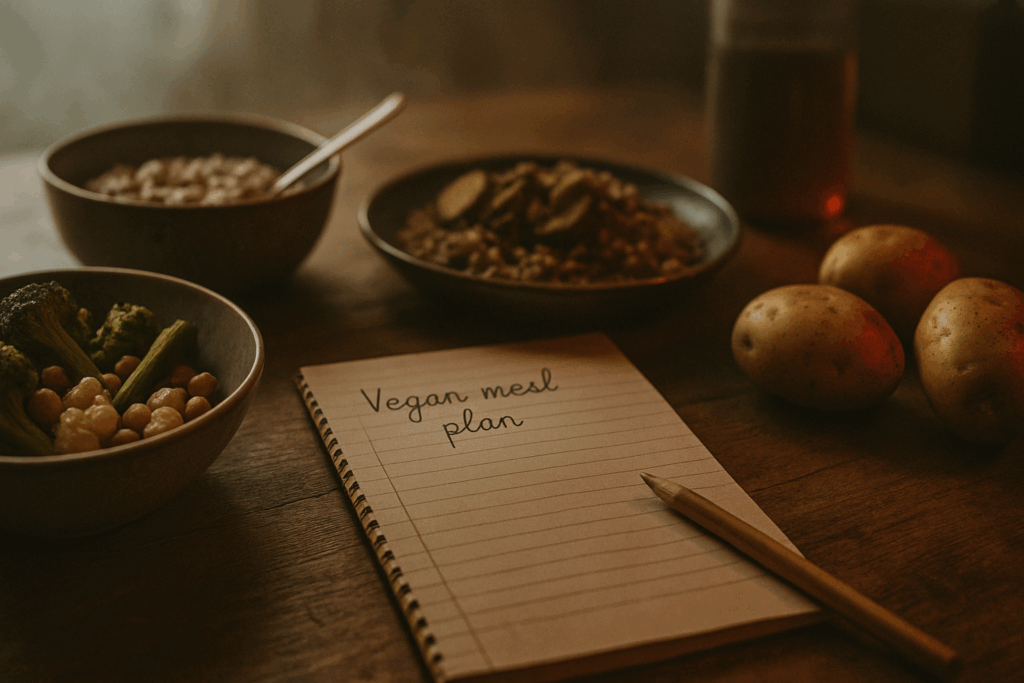
Why Go Plant Based in 2026
The Science Speaks: Health Benefits of a Plant Based Diet
In recent years, research has continued to support the health advantages of plant based eating. Studies from 2024 2025 show significant benefits when diets are rich in whole plants and low in ultra processed foods. Scientists have linked plant based diets to:
Lower risk of heart disease and hypertension
Improved insulin sensitivity and reduced risk of type 2 diabetes
Lower inflammation markers across various age groups
Better weight management and gut health
These findings reinforce what many health experts have promoted for years: swapping animal products for fiber rich, nutrient dense plant foods can create long term positive effects on overall wellness.
Environmental Impact: A Sustainable Shift for 2026 Goals
Eating more plants isn’t just good for the body it’s good for the planet. Sustainability reports leading into 2026 show food systems are a major contributor to greenhouse gas emissions. Transitioning to a plant based lifestyle aligns well with international climate targets. A few key reasons why:
Lower carbon footprint: Removing or reducing meat and dairy significantly cuts emissions.
More water efficient: Legumes and grains require far less water to produce than animal products.
Less land use: Plant agriculture supports biodiversity and combats deforestation.
Switching to plant based meals is one of the most accessible ways individuals can directly contribute to global climate solutions.
Affordability and Access in 2026
Gone are the days when eating plant based was limited to specialty stores and expensive alternatives. In 2026, plant based options have become increasingly:
Budget friendly: Beans, rice, lentils, and seasonal produce remain some of the most affordable food items.
Widely available: Major supermarkets now stock a range of high quality plant based proteins, dairy alternatives, and ready made meals.
Integrated into food delivery and dining: Restaurants and food delivery services offer more plant focused dishes than ever, catering to mainstream preferences.
Overall, access to plant based foods is no longer a barrier it’s an integrated part of modern food culture. Whether shopping in bulk or grabbing something on the go, making the plant based choice is easier and more affordable day by day.
Set Yourself Up for Success

A plant based kitchen doesn’t need a hundred ingredients. Start with smart pantry basics: canned beans, brown rice, rolled oats, lentils, quinoa, coconut milk, nuts, seeds, nutritional yeast, olive oil, and shelf stable tofu or tempeh. Dried herbs and spices like cumin, smoked paprika, turmeric, and garlic powder help you dial in flavor without relying on sauces packed with additives.
Batch cooking is your time saver. Cook grains like rice or farro in big batches and store them in the fridge for up to five days. Same goes for lentils, chickpeas, or black beans pressure cook or simmer a few cups and rotate them through soups, bowls, and wraps. Roast a tray of mixed vegetables (think: sweet potatoes, carrots, bell peppers, zucchini) at the start of the week and plug them into meals as needed. Pro tip: season them plainly with salt and oil at first, then doctor with sauces later so they stay versatile.
Balancing macros on a plant based plan means focusing on the trio: protein, fat, and fiber. Beans, tofu, tempeh, and lentils cover the protein side. Sprinkle in seeds (hemp, chia, flax) and use oils, nuts, and avocados for healthy fats. Fiber’s easy plants are full of it but make sure you’re mixing cooked foods with raw ones for digestion variety. You don’t need to overthink each meal just aim to include something from each category, and rotate your choices to keep things fresh and nutritionally sound.
(Need help getting your prep routine locked in? Check out Meal Prep 101: How to Save Time and Eat Healthier Every Week)
Day 3 Protein Focus
You don’t need chicken or eggs to hit your protein goals just some smart choices and planning. Day 3 is all about getting that plant based power without overthinking it.
Breakfast: Start strong with a high protein smoothie made from hemp seeds, banana, peanut butter, and your favorite unsweetened plant milk. Toss in some oats or a scoop of plant based protein powder if you want an extra boost.
Lunch: Midday fuel comes from an edamame soba noodle salad. This one’s cold, quick, and satisfying. Load it with shredded carrots, cucumber, sesame seeds, and a soy ginger vinaigrette. Edamame brings the muscle, and soba noodles keep it balanced.
Dinner: Black bean burgers round out the day. Easy to batch make and loaded with fiber and protein. Serve with oven roasted carrot fries and maybe a side of avocado if you’re going for extra richness. It’s comfort food that actually works for your body.
Protein doesn’t have to be complicated it just needs to be consistent.
Keep It Going
A meal plan is only useful if you can actually stick with it. The trick? Don’t treat it like a fixed map treat it like a rotating toolkit.
Cycle, don’t repeat. Switch things up every couple of weeks to keep your taste buds engaged. Rotate proteins (swap lentils for black beans), change up your breakfast builds, and try new sauces or spice blends. Same pattern, different flavors. That’s how you keep things fresh.
Watch your portions and goals. If you’re aiming to gain muscle or trim fat, your plate needs to reflect that. Increase plant based protein sources like tofu or seitan for muscle building. Trying to shed pounds? Fill half your plate with fiber rich veggies and go lighter on the grains. It’s not about eating less just eating smart.
Lean on tools not willpower. Good planning beats good intentions. Use apps like Cronometer to track macros if you’re goal focused, or try Mealime or Forks Over Knives for simple, plant based meal planning. Save your go to meals in notes or spreadsheets to save brainpower later. You don’t need a new idea every week you need a system you can live with.
Stay flexible, find what works, and don’t chase perfection. This isn’t a cleanse. It’s your kitchen, your life, your pace.