

Why Most Diets Fail Under Pressure
The biggest enemy of eating well isn’t junk food it’s the clock. When life speeds up, nutrition tends to take the fall. Meetings run long, commutes drag, or the kid’s practice goes late, and suddenly drive thru dinner looks like the only option. It’s not a lack of willpower it’s a lack of margin.
Add to that the unrealistic expectations most diets come with. Cut out carbs. No eating past 7 p.m. Salads only. These strict rules usually collapse by day five, sometimes sooner. Because the truth is, life rarely sticks to a script. If your nutrition plan can’t flex, it’ll break.
The better path? Stop chasing perfect. Go for consistent. Small, repeatable habits beat intermittent heroics every time. It doesn’t matter if you had pizza last night what matters is what you do today, and tomorrow, and the day after that. All or nothing thinking leads straight back to nothing.
Nutrition routines that survive busy schedules are built on resilience, not restriction. That means planning ahead, giving yourself reasonable options, and knowing how to course correct instead of hitting the panic button when plans go sideways.
Build a System, Not a Menu
Trying to decide what to eat three times a day under stress is a recipe for burnout. Instead, build a system. Create a few go to options for breakfast, lunch, and snacks nothing fancy, just reliable choices you don’t have to think about. Rotate oatmeal with protein and fruit, yogurt bowls, or fast smoothies for breakfast. Midday, lean on wraps, grain bowls, or leftovers. For snacks, mix nuts, cut veggies, or protein bars keep you from hitting the vending machine.
Meal planning doesn’t need to eat up a weekend. Take 30 45 minutes once a week to sketch out the basics: how many meals, for how many days, and what’s already in your fridge or pantry. Keep a short list of staples things you always keep around without needing to reinvent the plan every time.
Batch prepping isn’t about plastic containers stacked to the ceiling. Think low bar prep: roast a tray of veggies, cook a pot of grains, grill a protein or two. That’s it. You’re not aiming to be a chef you’re just building blocks to throw meals together without starting from scratch. The less you rely on perfect planning, the more likely you’ll actually stick to it.
Smarter Eating When Time Is Tight
First step: make your grocery list do the heavy lifting. Skip the endless scrolling in aisles stick to high efficiency staples you know work. Think rotisserie chicken, pre washed greens, canned beans, eggs, hummus, and whole grain wraps. These aren’t fancy, but they get the job done fast.
When it comes to portable fuel, you want two things: protein and produce. Jerky, hard boiled eggs, Greek yogurt pouches, nuts, and shelf stable protein bars cover the first. For produce, go for low mess options: apples, baby carrots, cherry tomatoes, and snap peas pack easily and don’t bruise in a backpack. Keep them visible what you see, you’ll eat.
Eating out happens plan for it. Stick to grilled over fried, choose water over soda, and throw in produce where possible (ask for a side salad, not more fries). Burrito bowls, deli sandwiches with extra veggies, and protein salads are almost always doable at chains.
Hydration isn’t just water electrolytes matter. Keep a sugar free electrolyte powder or drop in tab in the car or your bag. Unsweetened iced tea, mineral water, and watered down juice also count. Not everything has to be a gallon of plain water you just need to keep intake steady.
None of this is glamorous, but it’s what actually works when you’re busy and beat. Prepare less, simplify more.
Energy & Focus Tied to Your Food
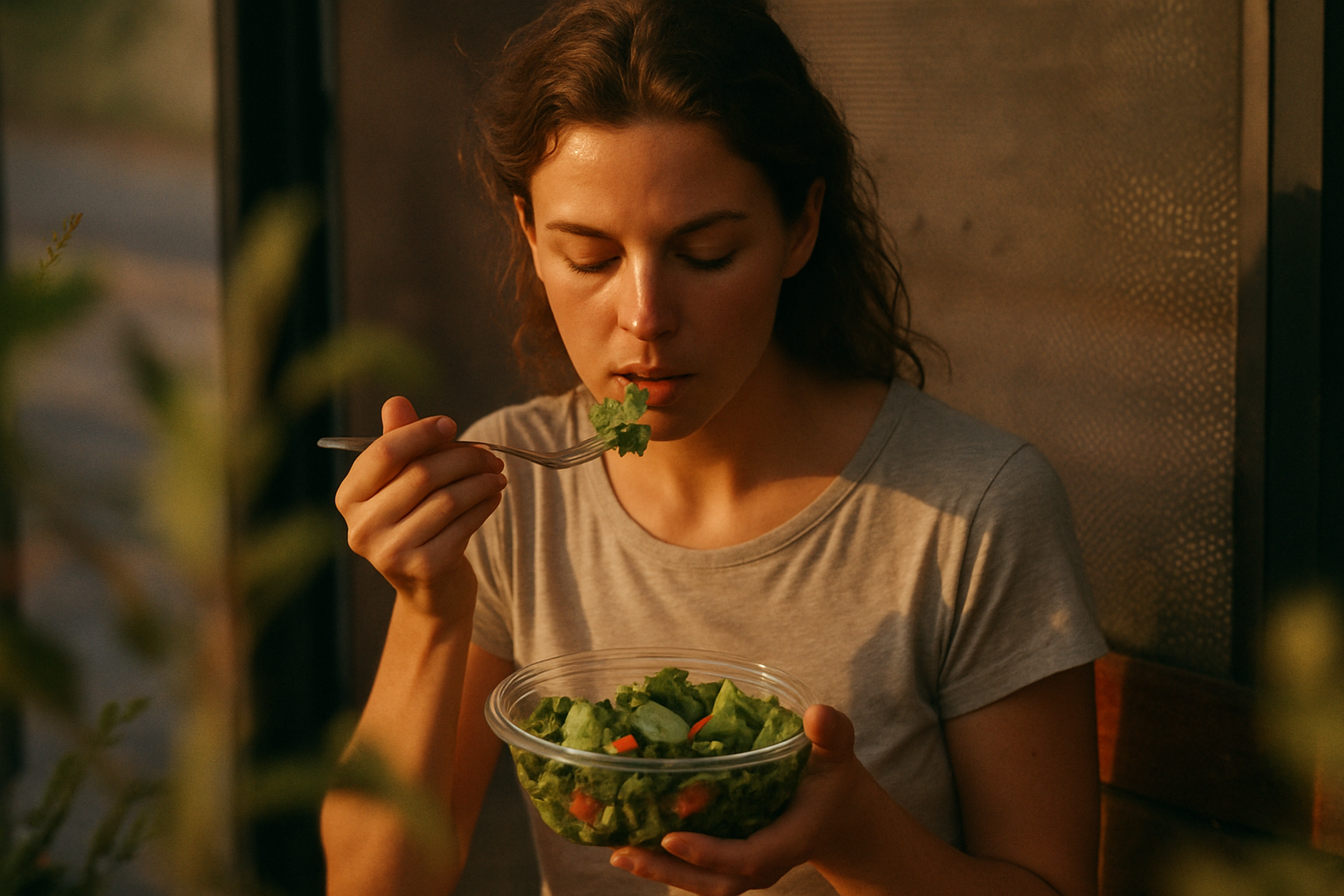
Skip a meal, and you’re not just running on empty you’re shorting your brain. Blood sugar dips hit focus first. Your mood follows. And if you’re trying to power through a task heavy work block, good luck staying sharp without the fuel to back it up.
Food doesn’t need to be fancy to be effective. A boiled egg, a banana, and a handful of nuts can do more for your concentration than chugging another coffee. Before high stress moments deadlines, tough meetings, presentations fueling up pays off. Keep it simple: something with protein, fiber, and a bit of good fat. Think Greek yogurt and berries. A wrap with hummus and greens. Even a smoothie with almond butter.
It’s not about perfect meals. It’s about not running a high performance machine on fumes. Brains need fuel, and timing it right can make the difference between foggy and focused.
Read more: How Your Diet Impacts Your Brain
Habits That Stick
If you’re busy, habit wins where intention fails. Start by anchoring meals to routines you already follow. Coffee in the morning? Pair it with a quick protein based breakfast. Always decompress after work? Make that your prep window for the next day’s lunch. The goal isn’t to add time it’s to attach better choices to time you already use.
Relying on motivation is a trap. The structure is what pulls you through when willpower taps out. That doesn’t mean packing every hour. It means building fallback systems like prepped snacks or a go to meal you can default to without thinking.
And remember the 80/20 rule. Eat clean most of the time, but leave wiggle room for real life. Pizza night isn’t failure. It’s part of the plan just not every night. Sustainability beats strictness every time.
Tools That Keep You Accountable
Staying consistent with your nutrition doesn’t require a rigid spreadsheet or a personal trainer breathing down your neck. It starts with the right tools and keeping it simple.
For planning and reminders, apps like Cronometer, Ate, and MyFitnessPal are still leading the pack. If you’re looking for something with less friction, apps like Daily Dozen or even a basic notes app work well for quick meal logging and habit tracking. The trick is picking one that fits your style. If the app feels like homework, you won’t stick with it.
Skip the obsession with calorie counting. Simple logs what you ate, when, and how it made you feel give more usable feedback than obsessing over macros. You’ll start noticing patterns: what meals keep you full, what snacks crash your energy, where late night cravings come from. That context beats numbers every time.
Finally, figure out what kind of accountability keeps you honest. Some people thrive with an accountability buddy text check ins, shared grocery lists, weekly recap calls. Others prefer handling it solo with digital systems and habit streaks. Both work. What matters is that it’s built to last even on your busiest weeks.
Rethink “Healthy”
Counting calories might seem like the go to move, but it doesn’t guarantee you’re fueling your body or your brain. Nutrient density is the real player here. That means putting foods on your plate that deliver more vitamins, minerals, protein, fiber, and healthy fats per bite. Think less about hitting a number, more about feeding your system what it needs to show up strong.
Trendy diets come and go. One week it’s all about fasting, the next it’s keto or plant based everything. But sustainable eating isn’t about following flashes in the pan. It’s about paying attention to what actually helps you move better, think clearer, and recover faster. You build that awareness by tracking how different foods make you feel not by obsessing over what’s popular on social media this month.
Want to understand the science behind all this? There’s solid research backing how nutrient packed meals improve brain function. Dive deeper here: How Diet Impacts Brain Function.