

Creatine Monohydrate: The Reliable Powerhouse
Creatine isn’t some flashy, new age supplement. It’s a staple one of the most researched and consistently effective tools for boosting physical performance. Think of it as fuel for short bursts of explosive energy. That means more power during lifts, sprints, and those grind it out final reps in high intensity training.
It works by helping your muscles produce ATP, the immediate energy source for fast twitch movements. Athletes in strength and sprint based sports see the biggest gains, but even general fitness enthusiasts can benefit.
You’re already getting some creatine if you eat red meat or fish, but not enough to see performance benefits. The sweet spot? 3 to 5 grams a day for maintenance. Stick with it daily for most people, it takes a couple of weeks to really feel the impact. Water retention might bump up the scale a bit, but that’s muscle working, not fat.
Bottom line: simple, proven, and worth a permanent place in your stack.
Beta Alanine: The Endurance Enhancer
Beta alanine is the go to supplement when workouts start to burn. It works by increasing carnosine levels in your muscles, which helps buffer lactic acid. In plain terms: less burn, more engine. This translates to better performance in short, high intensity efforts think 1 4 minute bursts, like sprint intervals, CrossFit sets, or intense circuits.
But it’s not a one and done fix. You need to build it up in your system. Daily dosing over a few weeks is where the magic kicks in. Most people take 3 6 grams per day, usually split into smaller servings to avoid the common tingling side effect (tingly skin = totally normal).
Beta alanine shines brightest when paired with strength or high intensity training. If you’re pushing for those extra sets or shaving seconds off your time, this is the stuff that keeps you in the fight longer. Simple, effective, and backed by solid science.
Omega 3 Fatty Acids: For Recovery and Joint Health
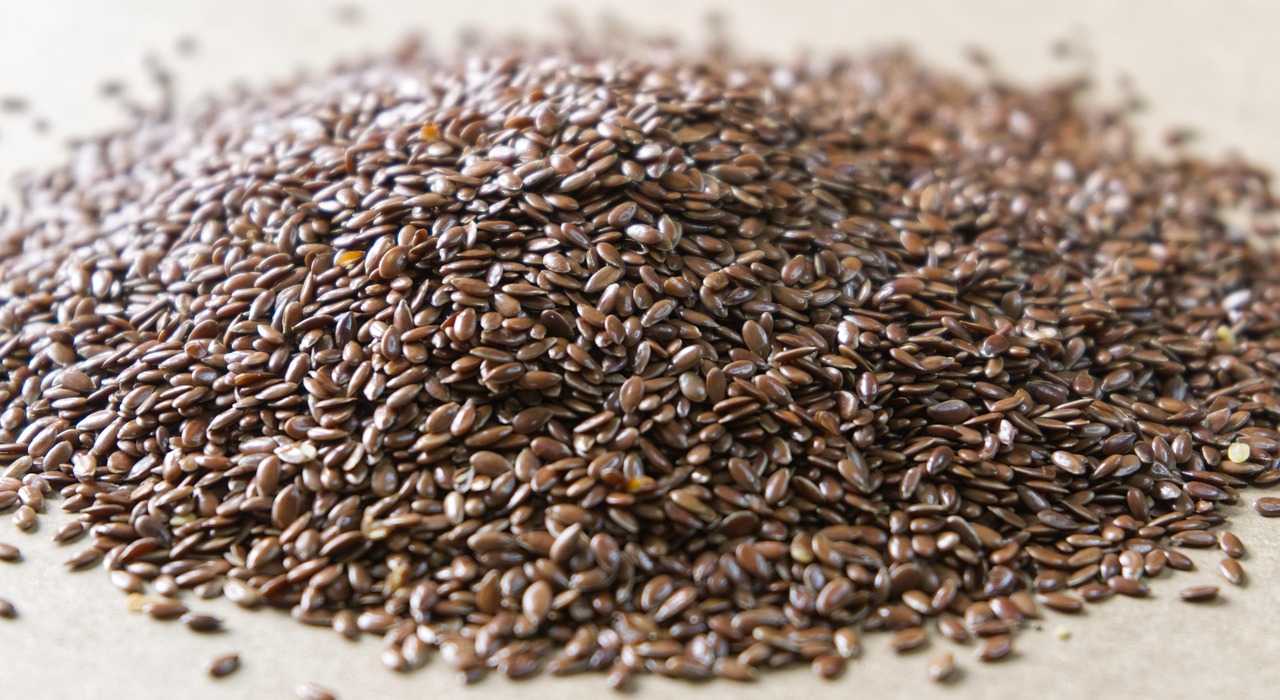
Omega 3s aren’t hype they’re a foundational tool for athletes who take recovery seriously. These essential fats reduce inflammation, which is key for bouncing back faster after workouts and minimizing joint strain over time. If you’re training hard and often, that recovery edge matters.
But it’s not just the joints. Omega 3s also support cardiovascular health, which translates to better endurance and stamina on the track, trail, or in the gym. Your heart doesn’t get a rest day, so keeping it in check pays off long term.
Top sources? Fish oil supplements and flaxseed oil top the list. Look for products with a solid EPA to DHA ratio ideally higher EPA for recovery. Scan the label. Not all oils are created equal. Skip the bargain bin and pick something that actually backs you up.
Beetroot Powder: The Natural Nitrate Boost
Beetroot powder has earned its spot in the athlete’s toolkit for one reason: nitric oxide. Your body converts the nitrates in beetroot into nitric oxide, which helps widen blood vessels and improve the flow of oxygen to working muscles. More oxygen means better aerobic performance, especially in endurance activities where every breath and stride counts.
Cyclists, distance runners, rowers this is where beetroot shines. The difference is more than marginal. Studies have shown performance boosts in time trials, longer time to exhaustion, and less fatigue during long hauls. It’s not hype it works.
Timing matters, though. For best results, take beetroot powder about 2 3 hours before your training or event. That gives your body time to generate enough nitric oxide to hit the road (or trail) with maximum effect. Just keep it consistent if you want the stamina gains to stick.
Magnesium: The Underrated Mineral
Magnesium doesn’t get the spotlight it deserves, but it plays a central role in muscle contraction, nerve signaling, and turning food into usable energy. If you’re training hard and feeling wiped out, this mineral might be the missing piece.
The tough part? It’s one of the most common deficiencies in athletes and heavy lifters. Sweat, stress, and intense routines can drain your magnesium stores quickly. Signs to watch for include frequent muscle cramps, general fatigue, or poor quality sleep. If any of those sound familiar, it’s probably time to take magnesium seriously.
Not all forms are created equal. Magnesium glycinate is gentle on the stomach and great for calming the nervous system. Citrate is solid for getting things moving especially if digestion is sluggish. Either way, they’re better absorbed than the cheap stuff you’ll see in generic multivitamins.
Don’t overlook it your performance might be paying the price.
Stacking These Safely
More isn’t always better. Just because a supplement has benefits doesn’t mean it plays well with everything else in your stack. The smartest athletes stack supplements with a goal in mind not just to hit every angle, but to avoid throwing their bodies out of whack.
Timing matters too. Pre workout, think creatine or beetroot powder to prep your system. Intra workout isn’t a must for most, but some opt for BCAAs or simple carbs during longer sessions. Post workout is where recovery takes center stage omega 3s and magnesium can help calm inflammation and soreness.
If you’re on medication or dealing with any chronic conditions, talk to your doctor before mixing in supplements. Even natural substances can interact in ways you don’t expect.
And don’t expect overnight miracles. Most natural supplements need consistent use to make a noticeable difference. Stick with it, track how you feel, and give your stack time to work.
If you’re serious about getting the most out of your training, supplements need to serve your sport not just your shelf. Instead of guessing what works, dial it in. Visit our comprehensive sports performance guide to get clear, no fluff advice on how to build your supplement stack around your goals, training style, and discipline. Whether you’re chasing endurance, strength, or recovery gains, this guide cuts through the noise so you can perform smarter, not just harder.
 Lawrence Fyeristics has opinions about fitness and exercise routines. Informed ones, backed by real experience — but opinions nonetheless, and they doesn't try to disguise them as neutral observation. They thinks a lot of what gets written about Fitness and Exercise Routines, Nutrition Tips and Advice, Healthy Meal Plans is either too cautious to be useful or too confident to be credible, and they's work tends to sit deliberately in the space between those two failure modes.
Reading Lawrence's pieces, you get the sense of someone who has thought about this stuff seriously and arrived at actual conclusions — not just collected a range of perspectives and declined to pick one. That can be uncomfortable when they lands on something you disagree with. It's also why the writing is worth engaging with. Lawrence isn't interested in telling people what they want to hear. They is interested in telling them what they actually thinks, with enough reasoning behind it that you can push back if you want to. That kind of intellectual honesty is rarer than it should be.
What Lawrence is best at is the moment when a familiar topic reveals something unexpected — when the conventional wisdom turns out to be slightly off, or when a small shift in framing changes everything. They finds those moments consistently, which is why they's work tends to generate real discussion rather than just passive agreement.
Lawrence Fyeristics has opinions about fitness and exercise routines. Informed ones, backed by real experience — but opinions nonetheless, and they doesn't try to disguise them as neutral observation. They thinks a lot of what gets written about Fitness and Exercise Routines, Nutrition Tips and Advice, Healthy Meal Plans is either too cautious to be useful or too confident to be credible, and they's work tends to sit deliberately in the space between those two failure modes.
Reading Lawrence's pieces, you get the sense of someone who has thought about this stuff seriously and arrived at actual conclusions — not just collected a range of perspectives and declined to pick one. That can be uncomfortable when they lands on something you disagree with. It's also why the writing is worth engaging with. Lawrence isn't interested in telling people what they want to hear. They is interested in telling them what they actually thinks, with enough reasoning behind it that you can push back if you want to. That kind of intellectual honesty is rarer than it should be.
What Lawrence is best at is the moment when a familiar topic reveals something unexpected — when the conventional wisdom turns out to be slightly off, or when a small shift in framing changes everything. They finds those moments consistently, which is why they's work tends to generate real discussion rather than just passive agreement.